Article
What Type of Waders Should I Get?
Stay dry, warm, and deadly - choose the right waders
Summary
- Use insulated waders when temps drop below 45°F—especially for late-season or static hunts in cold water.
- Choose breathable/uninsulated waders for temps 30°F to 70°F—ideal for mobile early- to mid-season hunts with proper layering.
- Must-have features: Reinforced knees/seat, fleece-lined handwarmer pocket, bootfoot design, and solid warranty/repair support.
- Nice-to-have features: Shell loops, zip-out liners, adjustable suspenders, drainage ports, and waterproof storage pockets.
- You don’t need to spend $1,000 to get solid waders—but spending a bit more gets better comfort, durability, and support.
Choosing the Right Waders for Duck Hunting
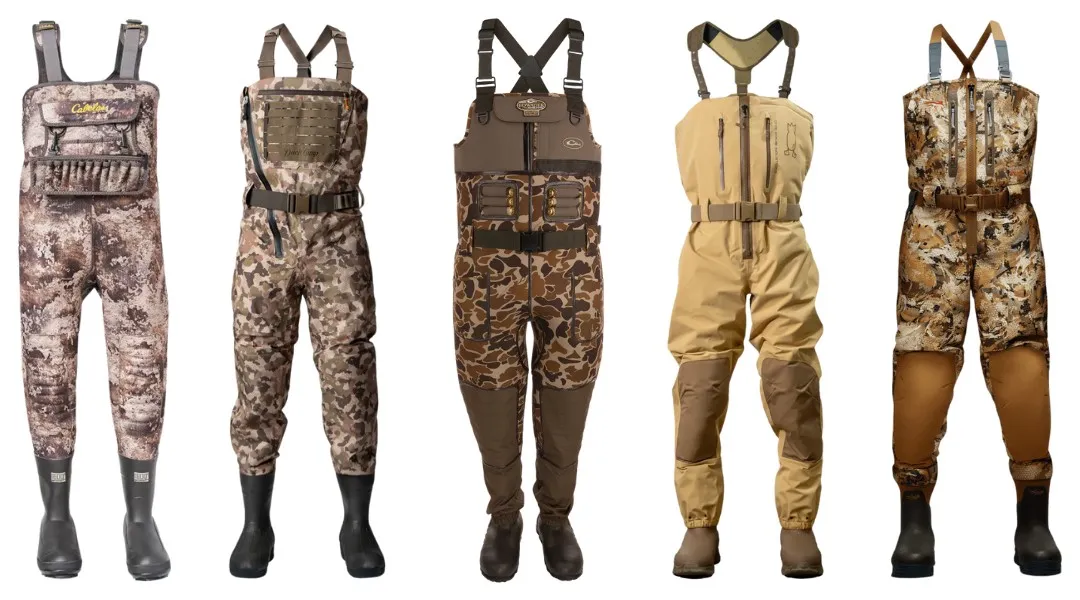
Selecting the appropriate waders is crucial for a comfortable and successful duck hunting experience. The right pair keeps you dry, warm, and mobile, adapting to various hunting environments and weather conditions.
Breathable vs. Neoprene Waders
Breathable Waders
Best for: Early to mid-season, variable temps, mobile hunts
Advisable Temperature Range: 30°F – 70°F (layer appropriately)
Why they work:
Breathable waders are highly versatile. When paired with base and mid-layers (like merino wool and fleece), they handle cold mornings and warm afternoons with ease. Strip layers as the day warms.
Pro Tip: In colder temps (below freezing), add insulated pants underneath to extend their range.
Pros:
- Lightweight and flexible, allowing for greater mobility.
- Suitable for a wide range of temperatures with appropriate layering.
- Dry quickly and are less prone to mildew.
Cons:
- Typically more expensive upfront.
- May require additional layers in extremely cold conditions.
Neoprene Waders
Best for: Late season, cold climates, static hunts
Advisable Temperature Range: 10°F – 45°F
Why they work:
With built-in insulation (typically 3.5mm to 5mm thickness), neoprene traps body heat and blocks wind and water chill. Ideal for sitting in layout blinds, standing in icy water, or when mobility isn’t the priority.
Pro Tip: Avoid wearing neoprene above 45°F—you’ll sweat fast and get chilled when you stop moving.
Pros:
- Provides superior warmth, ideal for late-season hunts.
- Generally more affordable than high-end breathable options.
Cons:
- Heavier and less flexible, which can hinder movement.
- Can become uncomfortably warm in milder temperatures.
Bootfoot vs. Stockingfoot Waders
Bootfoot Waders
- Integrated boots prevent debris from entering and are easier to put on and take off.
- Ideal for muddy or icy conditions where additional footwear could be cumbersome.
Stockingfoot Waders
- Require separate wading boots, offering a customizable fit.
- Less practical for duck hunting due to the potential for debris entering between the boot and wader.
Insulated vs. Uninsulated Waders
Your choice between insulated and uninsulated waders should align with the typical temperatures you hunt in.
Best for: Season-long use with fluctuating temps
Advisable Temperature Range: 15°F – 60°F
Why they work:
These combine the comfort of breathable fabric with the warmth of built-in or removable insulation. Ideal for hunters who want a “one-and-done” wader option across the entire season.
Pro Tip: Look for models with zip-out liners (like the Drake Guardian Elite or Frogg Toggs Grand Refuge 3.0) to adapt quickly as temps shift.
Insulated Waders
- Built-in insulation provides warmth in cold conditions.
- Reduces the need for multiple layering.
Uninsulated Waders
- Offer versatility across seasons with appropriate layering.
- Lighter and more breathable, suitable for early-season hunts.
Beyond the Basics: Wader Features
Picking the right type of wader is step one—but what really sets great waders apart are the features built for real-world hunting. From cold fingers to muddy walk-ins, the right extras can make or break your day in the marsh.
Reinforced Knees and Seat
Why it matters:
Kneeling on rocks or timber, climbing into blinds, and handling decoys will wear down your waders fast. Reinforced areas extend the life of your gear and reduce the chances of tears, which are a major cause of leaks.
Brands to look into:
- Chêne Gear
- Sitka Gear
- Rogers Toughman
- High 'N Dry
Fleece-Lined Handwarmer Pockets
Why it matters:
Cold, wet hands can cut your shooting and calling ability in half. A warm place to tuck your hands between volleys makes a huge difference, especially on those below-freezing mornings.
Brands to look into:
- Drake Waterfowl
- Sitka
- Banded
- Cabela’s Northern Flight series
Storage and Shell Loops
Why it matters:
Being able to grab a shell or call without digging into a backpack keeps you ready for action. A good storage system keeps gear secure, dry, and easy to reach—critical when birds are working fast or you're wading deep.
Brands to look into:
- Banded
- Drake
- Chêne Gear
- Frogg Toggs
Adjustable Suspenders and Waist Belt
Why it matters:
Proper fit means less fatigue and more comfort. Good suspenders reduce shoulder strain, especially when walking long distances or carrying a pack. A waist belt helps prevent cold water from rushing in if you take a spill.
Brands to look into:
- Sitka (magnetic quick-release)
- Simms
- Rogers
- Chêne Gear
Easy Drainage and Quick-Drying Liners
Why it matters:
If you’re hunting multiple days or driving from spot to spot, you need gear that dries out quickly. Breathable liners reduce sweat and mildew buildup, and drainage ports keep you from carrying water after a dunk.
Brands to look into:
- Simms
- Sitka
- Frogg Toggs Grand Refuge
Warranty and Repair Support
Why it matters:
Every hunter eventually gets a leak. Brands that stand behind their gear with solid repair services or warranties can save you hundreds over time.
Brands to look into:
- Sitka (5-year warranty + repair service)
- Chêne Gear (industry-best repair program)
- Simms (great customer service)
- Lacrosse (solid return/warranty policies)
Bottom Line: Best Duck Hunting Waders by Budget
Budget Picks ($150–$350)
1. Frogg Toggs Grand Refuge 3.0
- Breathable shell with zip-out insulated liner
- 1200g Thinsulate bootfoot
- Reinforced knees, handwarmer pocket
- Shell loops + decent adjustability
- Price: ~$300
- Best for: Season-long use on a budget
2. Cabela’s Classic Series II Neoprene Waders
- 3.5mm neoprene construction
- 600g insulated boots
- Reinforced seat/knees
- Shell pouch + pass-through handwarmer
- Price: ~$180
- Best for: Late-season hunters in cold water
3. Rogers Toughman 2-in-1 Insulated Breathable Wader
- Removable liner with breathable outer shell
- Reinforced seat/knees, good storage layout
- Bootfoot with solid traction and 1200g insulation
- Price: ~$330
- Best for: All-season use with cold-weather flexibility
Mid-Range Picks ($400–$650)
1. Drake Guardian Elite Front Zip Waders
- Removable insulated liner + breathable shell
- 1600g boot insulation
- Front waterproof zipper, shell loops, and handwarmer
- Price: ~$600
- Best for: Hunters who want quick-dry flexibility and easy on/off
2. Banded RedZone 2.0 Breathable Insulated Wader
- 1600g Thinsulate bootfoot
- Lightweight yet tough outer material
- Multiple storage pockets + fleece-lined handwarmer
- Adjustable no-buckle shoulder straps
- Price: ~$500
- Best for: Comfort-focused hunters covering lots of ground
3. Lacrosse Alpha Swampfox Drop Top Wader
- Convertible top for warmer-weather hunts
- 1000g boot insulation
- Reinforced knees + ankle-fit boot design
- Breathable 120g Thinsulate Ultra insulation in upper
- Price: ~$400
- Best for: Mobile hunters in mild to moderate cold
Top-Tier Picks ($800–$1000+)
1. Sitka Delta Zip Wader
- Gore-Tex Pro shell + fully waterproof front zipper
- LaCrosse AeroForm insulated boots (lightweight, 1600g)
- Reinforced throughout, fleece-lined handwarmer, shell pockets
- Legendary 5-year warranty and repair program
- Price: ~$1000
- Best for: High-mileage hunters needing reliability in all conditions
2. Chêne Gear Wader
- Four-layer waterproof breathable upper with ergonomic boot
- Reinforced seat/knees + minimalist, no-snag design
- Warm fleece-lined handwarmer pocket
- Full-service repair and customer support included
- Price: ~$1100
- Best for: Hunters who value comfort, mobility, and clean design
3. Simms G3 Guide Wader (Bootfoot, Stockingfoot)
- Gore-Tex 3-layer design with reinforced legs
- Available in both stockingfoot and bootfoot styles
- Durable, lightweight, and very breathable
- Excellent customer service and warranty support
- Price: ~$850–$950
- Best for: Hunters who fish and hunt or want multi-use flexibility