Species vs Species
Mallard vs. Black Duck: How to Tell Them Apart
Two dabblers, one confusing overlap in the Atlantic Flyway — and a growing reason to get the ID right.
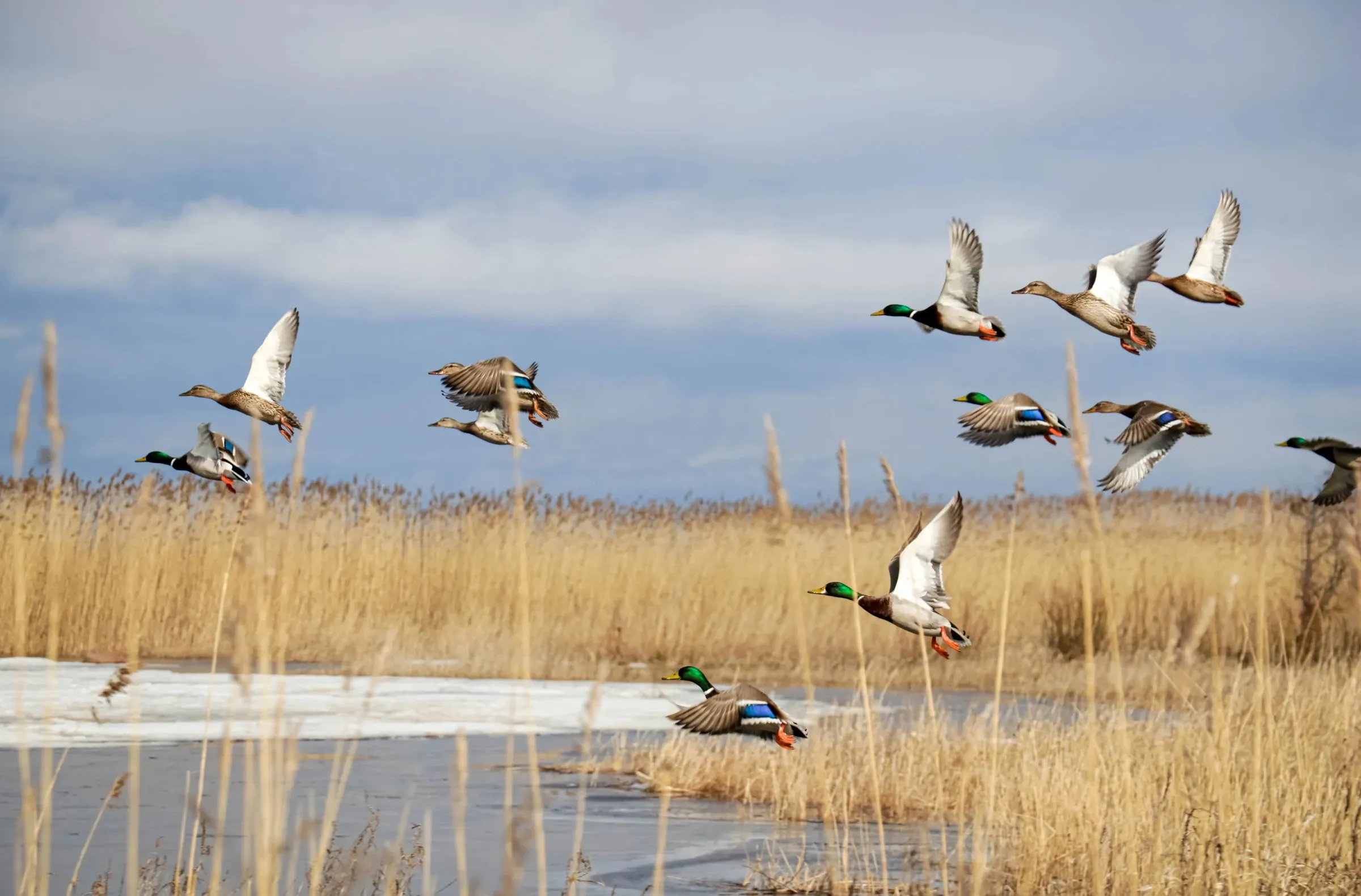

Mallards and Black Ducks are close enough that they regularly hybridize where their ranges overlap, which is exactly why the two get confused in the hand and on the wing. Here’s what actually separates them.
Key Differences
- Location & Range — Mallards are everywhere; Black Ducks are an Atlantic Flyway specialist.
- Size — Close in size, but Black Ducks run a touch smaller and stockier.
- Head — Green head, no green head — the fastest tell on a drake.
- Wing Patterns — Check the speculum border — white on Mallard, faint on Black Duck.
- Bill — Bright yellow says Mallard; olive and spotted says Black Duck.
- Flight Patterns — Black Ducks show white underwings before you can even call them.
- Calls — Same basic quack, different attitude.
| Mallard | Black Duck | |
|---|---|---|
| Length | 20–26 in | 21–23 in |
| Weight | 2.5–3.5 lb | 2–3.25 lb |
| Wingspan | 32–39 in | 34–37 in |
| Range | All four North American flyways | Primarily the Atlantic Flyway — breeds across eastern Canada and the Northeast, winters along the Atlantic coast |
Location & Range
Bottom line: Mallards are everywhere; Black Ducks are an Atlantic Flyway specialist.
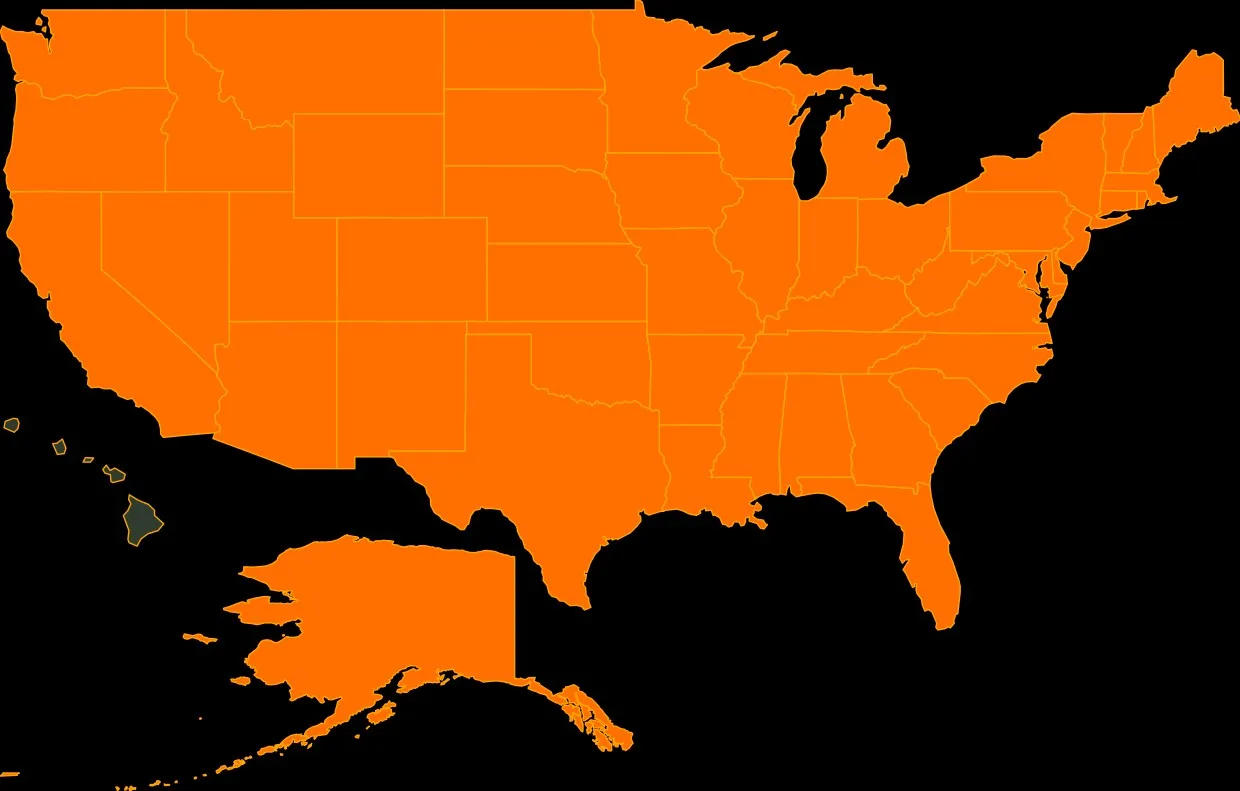
Mallards breed and winter across all four North American flyways, making them the most evenly distributed duck on the continent. Black Ducks are far more regional — they breed across eastern Canada and the Northeast and winter along the Atlantic coast, rarely showing up west of the Mississippi in real numbers.
If you’re hunting the Central, Pacific, or most of the Mississippi Flyway, a “black-looking mallard” is worth a second look — it’s more likely a hybrid or a dark hen than a true Black Duck.
Size
Bottom line: Close in size, but Black Ducks run a touch smaller and stockier.
A Mallard measures 20–26 inches and weighs 2.5–3.5 pounds; a Black Duck runs 21–23 inches and 2–3.25 pounds. In the hand the difference is subtle — you’ll notice it more in build than on a tape measure, with Black Ducks reading slightly more compact and heavy-bodied.
Head
Bottom line: Green head, no green head — the fastest tell on a drake.
A drake Mallard’s iridescent green head and white neck ring are unmistakable. A drake Black Duck has neither: its head and neck stay a paler, buff-brown, contrasting against a much darker body — almost a hooded look.
Hens are the tougher call: both are mottled brown, but a Black Duck’s body runs noticeably darker than its head, while a Mallard hen reads more uniformly brown throughout.
Wing Patterns
Bottom line: Check the speculum border — white on Mallard, faint on Black Duck.
Both species show a speculum — the bright wing patch — but a Mallard’s runs blue, bordered top and bottom in crisp white. A Black Duck’s speculum runs violet with little to no white border, one of the more reliable marks at a distance once the wings open.
Bill
Bottom line: Bright yellow says Mallard; olive and spotted says Black Duck.
A drake Mallard carries a bright, clean yellow bill. A Black Duck’s bill runs olive to dull yellow-green, often with dark smudging or spotting near the base — worth checking on birds in hand, especially where the two overlap and hybridize.
Flight Patterns
Bottom line: Black Ducks show white underwings before you can even call them.
From below, a Black Duck flashes bright white underwing linings that catch the light well before the bird is close enough to identify by head or bill. Mallards show more muted grey-brown underwings, and tend to hold a spread a little longer before flaring.
Calls
Bottom line: Same basic quack, different attitude.
Both hens quack in a similar descending pattern, but a Black Duck’s call usually lands deeper and more insistent than a Mallard hen’s classic “quack-quack-quack.” Most hunters confirm by sight first and let the call back it up.
Frequently Asked Questions
Can Mallards and Black Ducks interbreed?
Yes — the two hybridize readily where their ranges overlap, which is part of why pure Black Ducks have become harder to find.
Do bag limits differ between the two species?
In many Atlantic Flyway states, yes — Black Duck harvest is often capped more tightly than Mallard harvest due to conservation concern. Always check your state’s current regulations before you hunt.
What’s the fastest way to tell them apart in low light?
The underwing flash. A Black Duck’s bright white underwing is visible well before head or bill details are, even at dawn.
Are hybrids common enough that I should expect to see one?
In the Atlantic Flyway, yes — a bird that looks “almost” like a Mallard with a darker body is worth a closer look before you assume it’s purely one species or the other.
Which one is harder to call in?
Black Ducks, generally — they’re warier and flare sooner than Mallards will over the same spread.