Northern Shoveler
Spatula clypeata
Alternate names: Spoonbill, Spoonie
- Length
- 19.5 in
- Weight
- 1.5 lb
- Wingspan
- 27–30 in
Calls
Northern Shovelers are mild callers – males give short, nasal clucks, while females produce raspy, quick quacks similar to a softer Mallard.
- Males: Low, nasal “took-took” or “cluck-cluck” sounds, usually in courtship or as contact notes while feeding.
- Females: Coarse, raspy “quack-quack-quack” sequence, slightly faster and flatter than a Mallard hen’s call.
Northern Shovelers are moderately vocal during courtship but generally quiet outside of the breeding season.
Drake
Males give a low, nasal clucking call, often described as a short took or puck note, most commonly during courtship or when interacting at close range. The tone is muffled and less clear than a Mallard drake’s call. In flight, drakes are usually silent.
Hen
Females produce a series of short, coarse quacks that resemble a Mallard hen but are lower, flatter, and less forceful. The notes are more nasal and delivered in brief sequences rather than loud, repeated calling. Hens call most often during breeding season and while alert.
When You'll Hear Them
Vocal activity peaks in late winter and spring during pair formation and courtship displays. During fall migration and winter, Northern Shovelers are generally quiet, with only occasional low calls heard from birds on the water or at close range.
Overview
The Northern Shoveler is a medium-sized duck, best known for its large, spoon-shaped bill, which it uses to sift food from the water. Males are striking with a green head, white chest, and rusty brown sides. Females are mottled brown but share the distinctive broad, flat bill. In flight, both sexes show a light blue patch on their wings. Shovelers are often found in shallow wetlands, feeding by swimming in tight circles.
Hunters can easily recognize them by their oversized bills and the male’s bold coloration.
Shovelers are early migrants, moving out at the first frost and concentrating most heavily in the Central and Pacific flyways during the season. Their typical flight is steady and direct, but when startled, small flocks can twist and turn in the air much like teal, making for a surprisingly quick and unpredictable target. One thing worth knowing at the table: shovelers are not highly regarded as eating birds, as a significant portion of their diet is animal matter filtered from the water, which can affect the flavor of the meat.
Identification
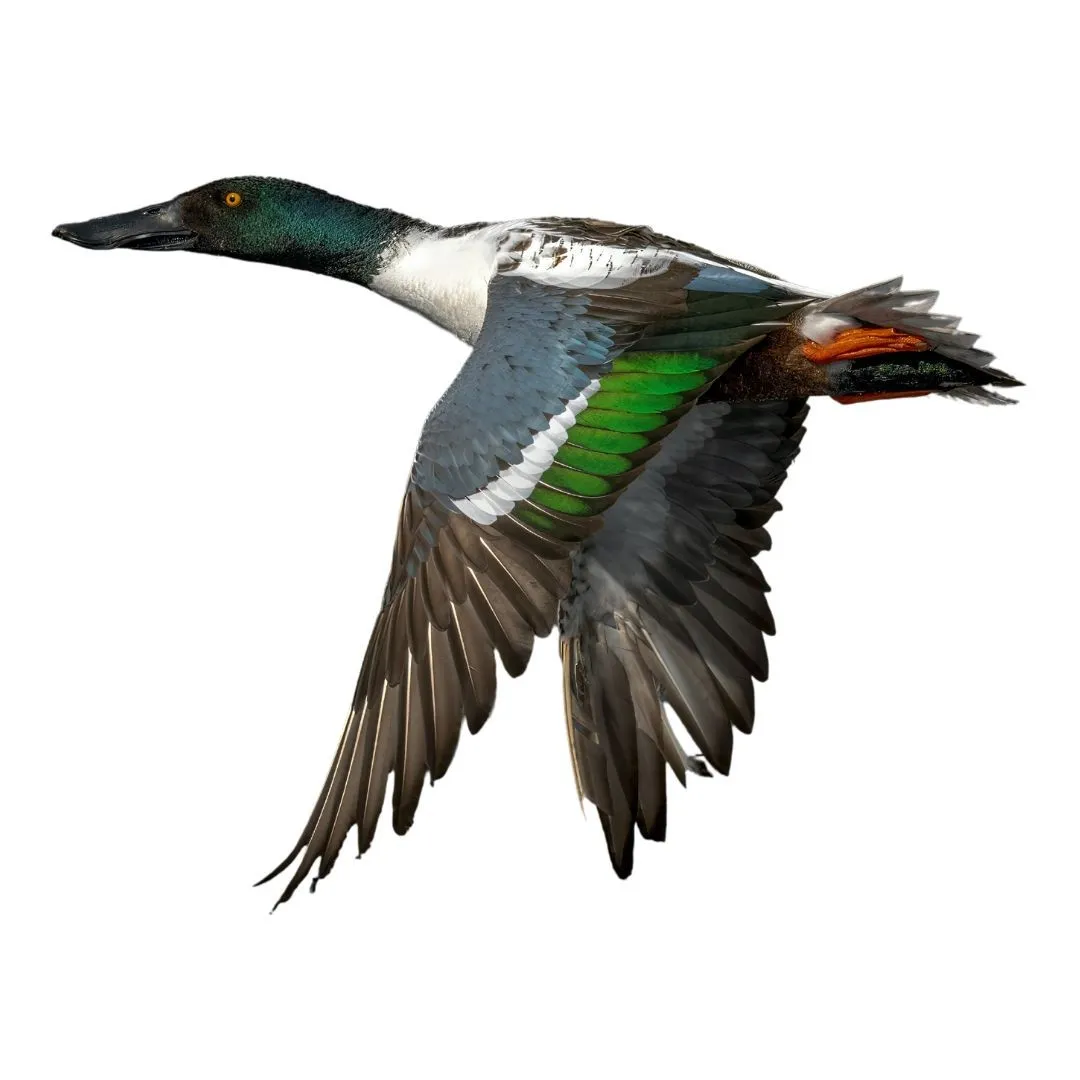
Large spoon-shaped bill, green head (males), rusty brown sides (males), light blue wing patch, feeding in circles, bold coloration
Northern Shovelers are compact dabbling ducks built around a long, spoon-shaped bill that stands out at any distance. Their broad head and oversized bill create a front-heavy profile both on the water and in the air. In flight, they show powder blue forewings and a green speculum, with steady wingbeats similar to mallards. The large bill and wide head shape separate them quickly from gadwall, mallards, and other puddle ducks in mixed flocks.
Drake
Drakes have a dark green head, white chest, and rich chestnut sides that create strong contrast when birds bank. The black, oversized bill is the key feature at all ranges. In flight, the white chest flashes between the dark head and chestnut sides, helping separate them from mallards, which lack the broad spoon bill and show a blue speculum instead.
Hen
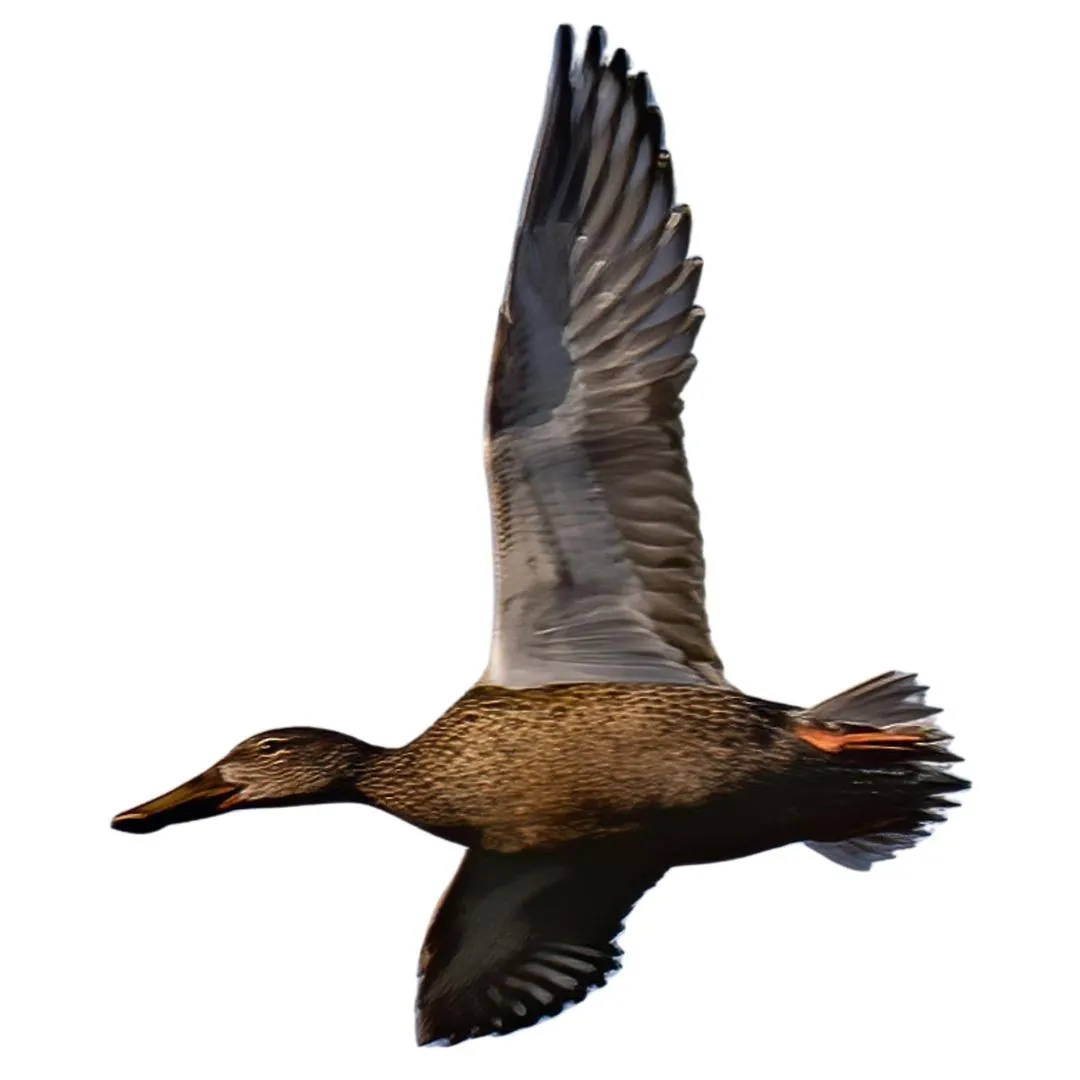
Hens are mottled brown but carry the same oversized, shovel-shaped bill that defines the species. Their bill appears longer and wider than a mallard hen’s, giving the head a stretched, heavy look. On the wing, they share the blue forewing and green speculum pattern, but the large bill and compact body distinguish them from other brown hens.
Range
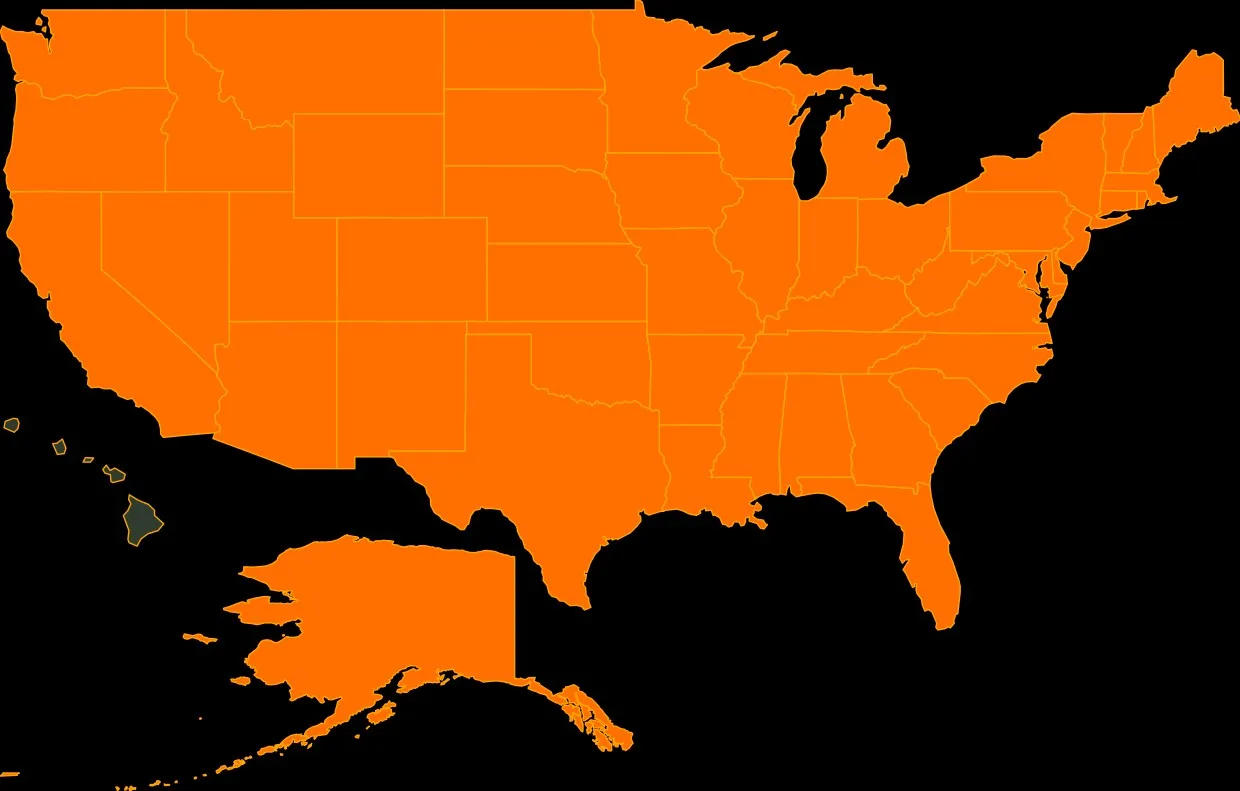
Year-Round
Northern Shovelers have limited year-round presence in parts of California’s Central Valley, coastal Texas, and portions of the Pacific Northwest where wintering and breeding ranges overlap. Most North American populations are migratory and move between northern breeding wetlands and southern wintering areas.
Breeding
Breeding occurs primarily across the Prairie Pothole Region of the Dakotas, Montana, and southern Canada, extending north through central Canada and into Alaska. Smaller numbers breed in parts of the northern United States. The highest breeding densities are found in prairie wetlands and shallow northern marsh systems.
Winter
In winter, Northern Shovelers are widespread across the southern United States, Mexico, and Central America. Major concentrations occur in California’s Central Valley, the Gulf Coast, Mississippi Alluvial Valley, and along Atlantic and Pacific coastal marshes and estuaries.
Migration Timing
Spring migration typically runs from February through April as birds move north along the Pacific, Central, and Mississippi Flyways. Fall migration begins in September and continues into November, with birds staging on major wetlands, reservoirs, and coastal systems during movement.
Related Species
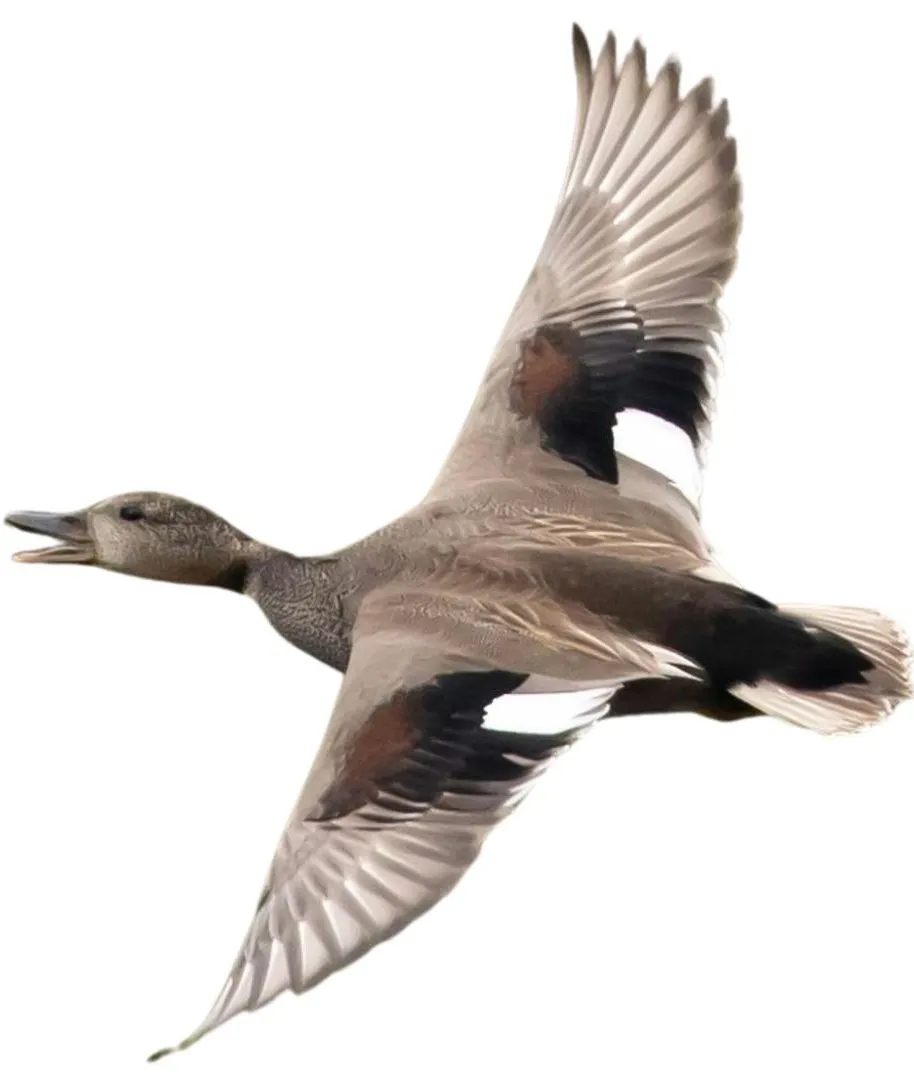
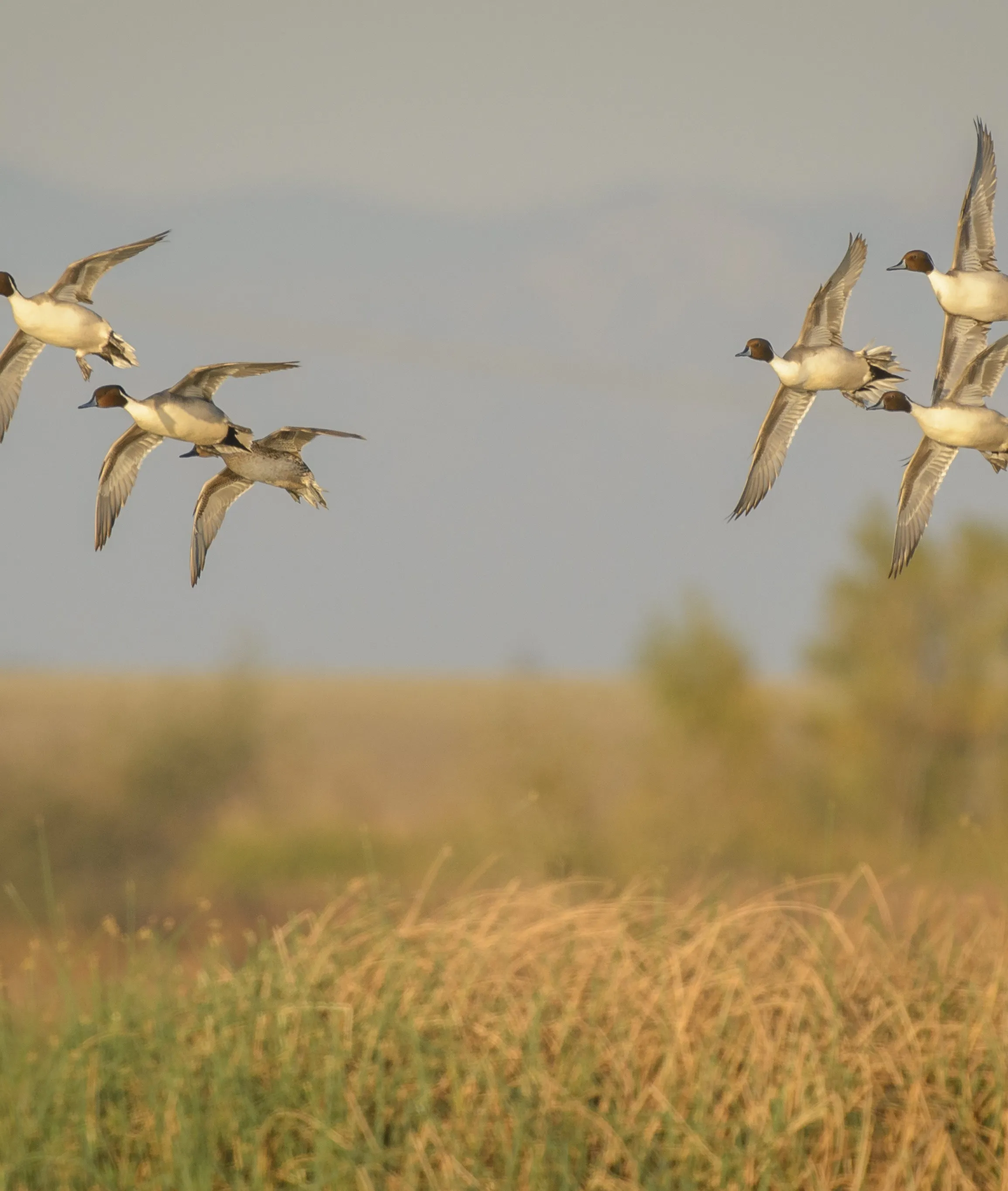
How to ID It
- Large spatula-shaped bill noticeably oversized compared to head
- Long, broad bill profile obvious even at distance or in silhouette
- Compact body with relatively short neck compared to pintail
- Drake shows dark green head, white chest, and chestnut sides in breeding plumage
- Hen is mottled brown but retains the same oversized spoon-shaped bill
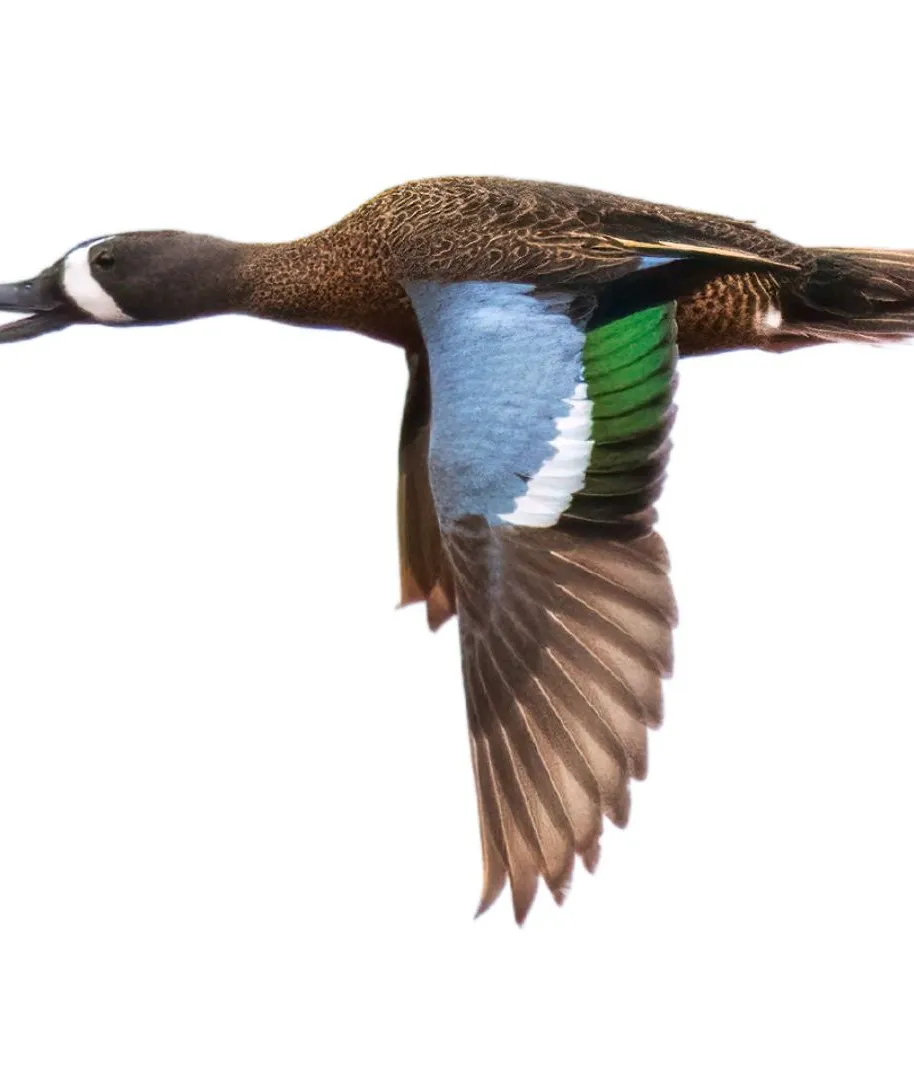
- In flight: In flight, shows powder-blue forewing and green speculum bordered by white
- Drake displays strong contrast between white chest and dark head when banking
- Tail appears short and rounded compared to pintail
- Separated from mallard and gadwall hens by much larger bill and broader head profile
Key Facts
- Bill Color (Drake)
- Black
- Bill Color (Hen)
- Olive to orange
- Primary Habitat
- Shallow wetlands, marshes
- Breeding Habitat
- Prairie potholes, northern wetlands
- Winter Habitat
- Marshes, estuaries, flooded fields
- Migration Pattern
- Long-distance migrant
- North America Status
- Common and widespread
Habitat
Primary Habitat. Northern Shovelers are strongly associated with shallow wetlands, open marshes, ponds, and shallow lakes with abundant surface food. They prefer water less than a few feet deep where they can filter-feed along the surface. Prairie potholes, seasonal wetlands, and open marsh systems with sparse vegetation are commonly used. They also occupy flooded agricultural fields and managed wetlands during migration and winter.
Seasonal Habitat Differences. During breeding season, Northern Shovelers concentrate in prairie potholes, grassland wetlands, and shallow northern marshes across the Great Plains and central Canada. In migration and winter, they expand into coastal marshes, estuaries, coastal lagoons, river backwaters, and flooded rice fields. Winter habitat often includes brackish wetlands and tidal marshes with calm, shallow water.
Landscape Features to Look For. Look for broad, shallow water with open edges and minimal dense cover. Shovelers favor flat wetland basins, seasonal ponds in grasslands, and managed marshes with exposed mud or sheet water. In coastal areas, focus on protected estuaries and shallow tidal wetlands rather than deep open bays.
Frequently Asked Questions
How do you identify a Northern Shoveler?
Northern Shoveler is easiest to identify by its large, spoon-shaped bill that looks oversized for the head. In flight, it shows powder-blue forewings and a green speculum. The compact body and wide bill separate it quickly from mallards, gadwall, and other dabbling ducks in mixed flocks.
Where do Northern Shovelers live?
Northern Shovelers breed across the Prairie Pothole Region, central Canada, and parts of Alaska and the northern United States. In winter, they are widespread across the southern United States, Mexico, and Central America. Large numbers gather in California’s Central Valley, Gulf Coast marshes, and major river systems.
What habitat do Northern Shovelers prefer?
Northern Shovelers prefer shallow wetlands, open marshes, ponds, and flooded agricultural fields. They select calm, shallow water where they can filter-feed at the surface. In winter, they also use coastal marshes, estuaries, and brackish wetlands with broad feeding areas and limited dense vegetation.
Are Northern Shovelers migratory?
Yes, Northern Shovelers are migratory. Most birds move from northern prairie and boreal breeding areas to southern wintering grounds each year. Migration follows the Pacific, Central, and Mississippi Flyways, with birds staging on shallow wetlands, reservoirs, and managed marshes during spring and fall movements.
How are Northern Shovelers different from Mallards?
Northern Shovelers have a much larger, wider bill than Mallards, giving them a heavy, front-loaded look. Drakes show green heads and chestnut sides, but lack the Mallard’s blue speculum bordered by white. Hens can resemble Mallard hens, but the broad spoon-shaped bill is the key difference.
What do Northern Shovelers eat?
Northern Shovelers feed mainly on aquatic invertebrates, seeds, and plant material filtered from shallow water. Their wide bill contains comb-like edges that strain small food items from the surface. Feeding often occurs in small groups on calm wetlands and shallow marsh edges.
In the Field
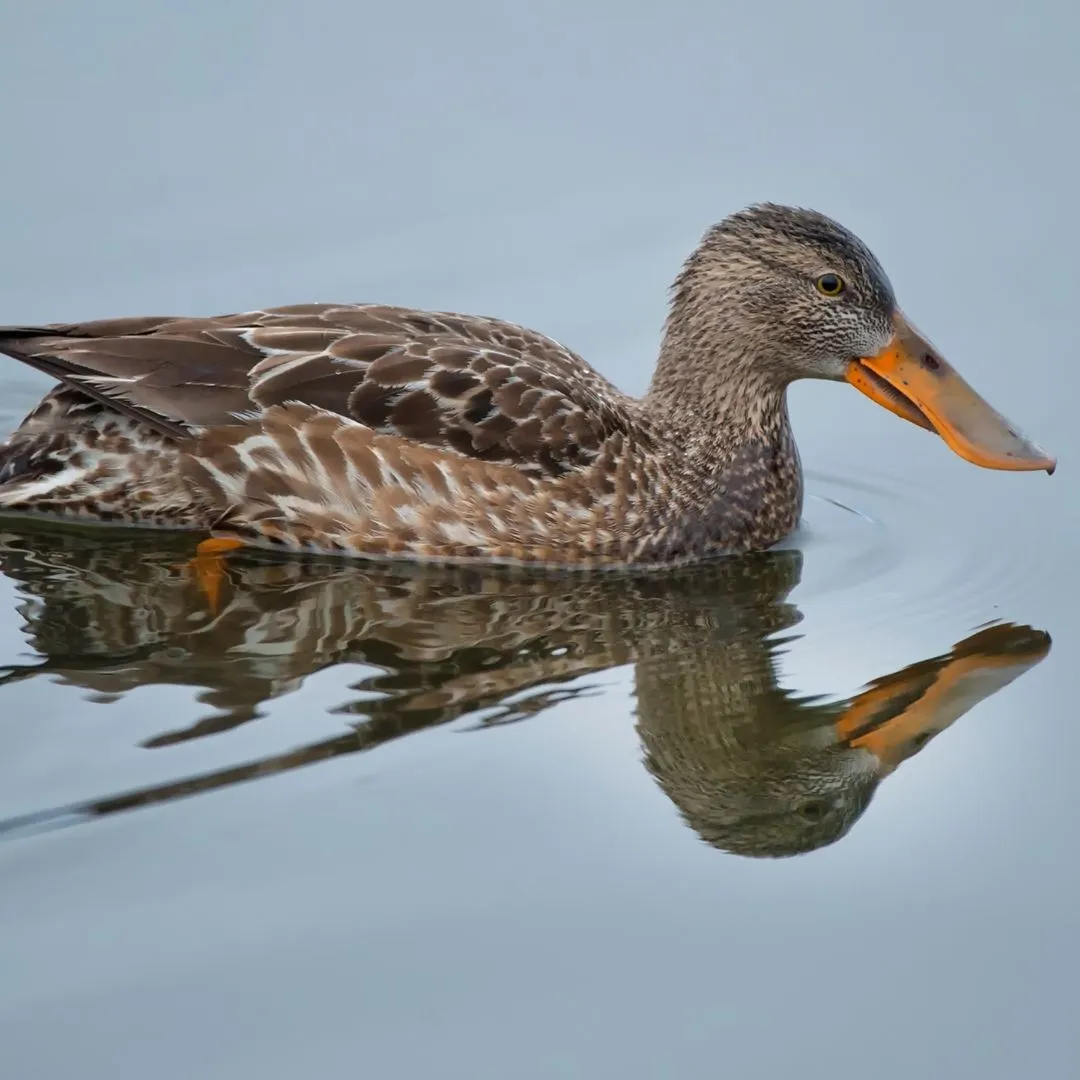
Photo: Eve Turek/USFW 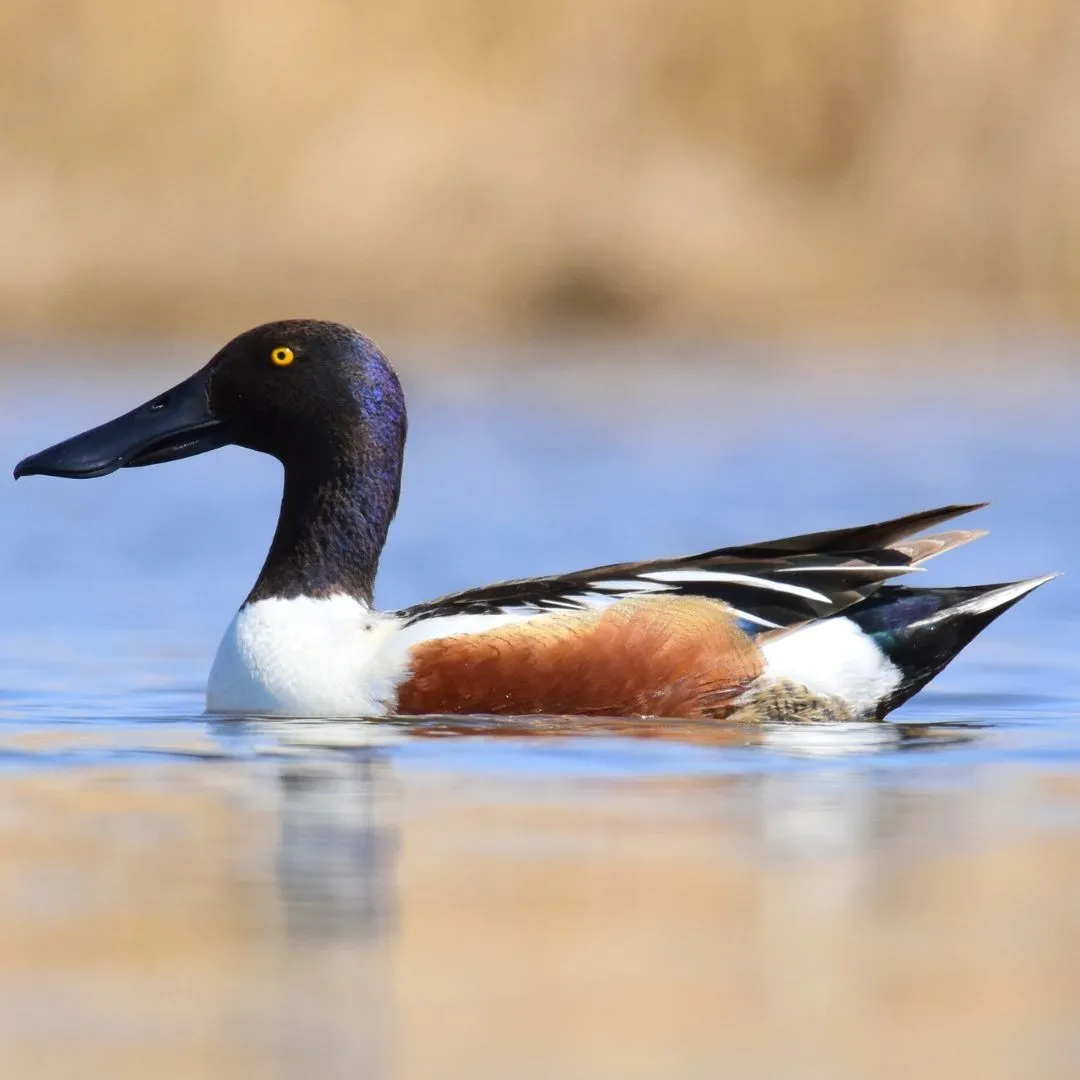
Photo: Tom Koerner/USFWS 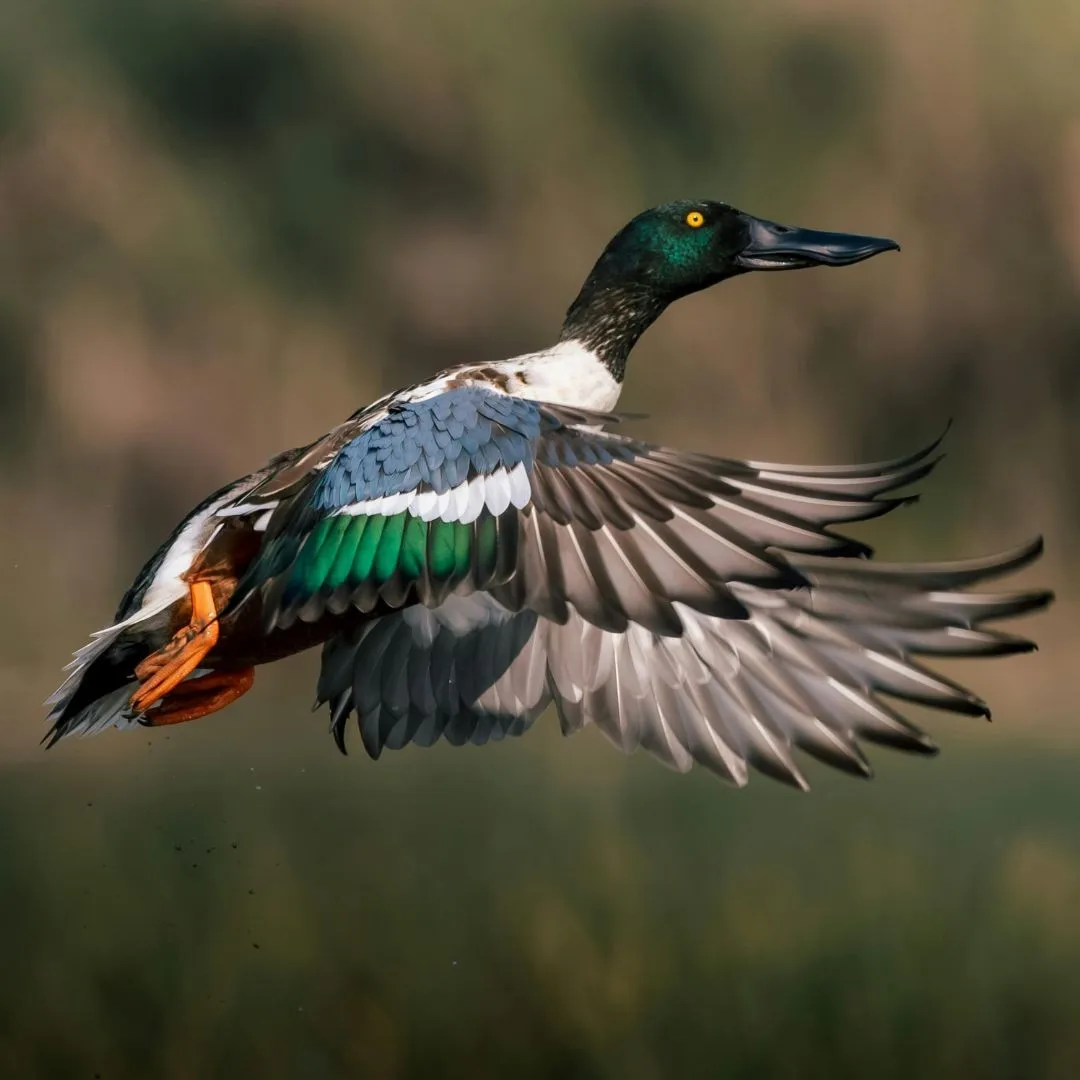
Photo: Jit Roy