Northern Pintail
Anas acuta
Alternate names: Sprig
- Length
- 20–26 in (drakes longer, with tail)
- Weight
- 1.6–2.9 lb
- Wingspan
- 31–35 in
- Range
- All flyways, with major concentrations in the Central and Pacific flyways
Calls
Drakes give a soft, breathy whistle — often written as a single "proop" — instead of a quack. Hens give a thinner, higher version of a Mallard hen’s quack.
Drake
Males give a clear, mellow whistle that is smooth and rolling in tone, most often heard during courtship or when flying with other pintails. The whistle carries well over open water and is higher pitched than most dabbling duck calls. Drakes are usually silent while feeding.
Hen
Females produce a soft, coarse quack that is lower and flatter than a Mallard hen’s call. The notes are shorter and less forceful, often given in small series during courtship or when alert. Hens are not as loud or frequent callers as mallards.
When You'll Hear Them
Vocalizations are most common in late winter and spring during courtship displays and pair bonding. During fall migration and winter, pintails are relatively quiet, with drake whistles occasionally heard from birds in flight or circling over open water.
Overview
One of the first ducks to show up each fall and one of the fastest fliers in the marsh. The drake's namesake tail plumes make it unmistakable on the water — the challenge is catching one still long enough to see them.
- One of the earliest fall migrants each season
- Among the fastest fliers of any dabbling duck
- The drake's tail plumes grow longest just before breeding season
Identification
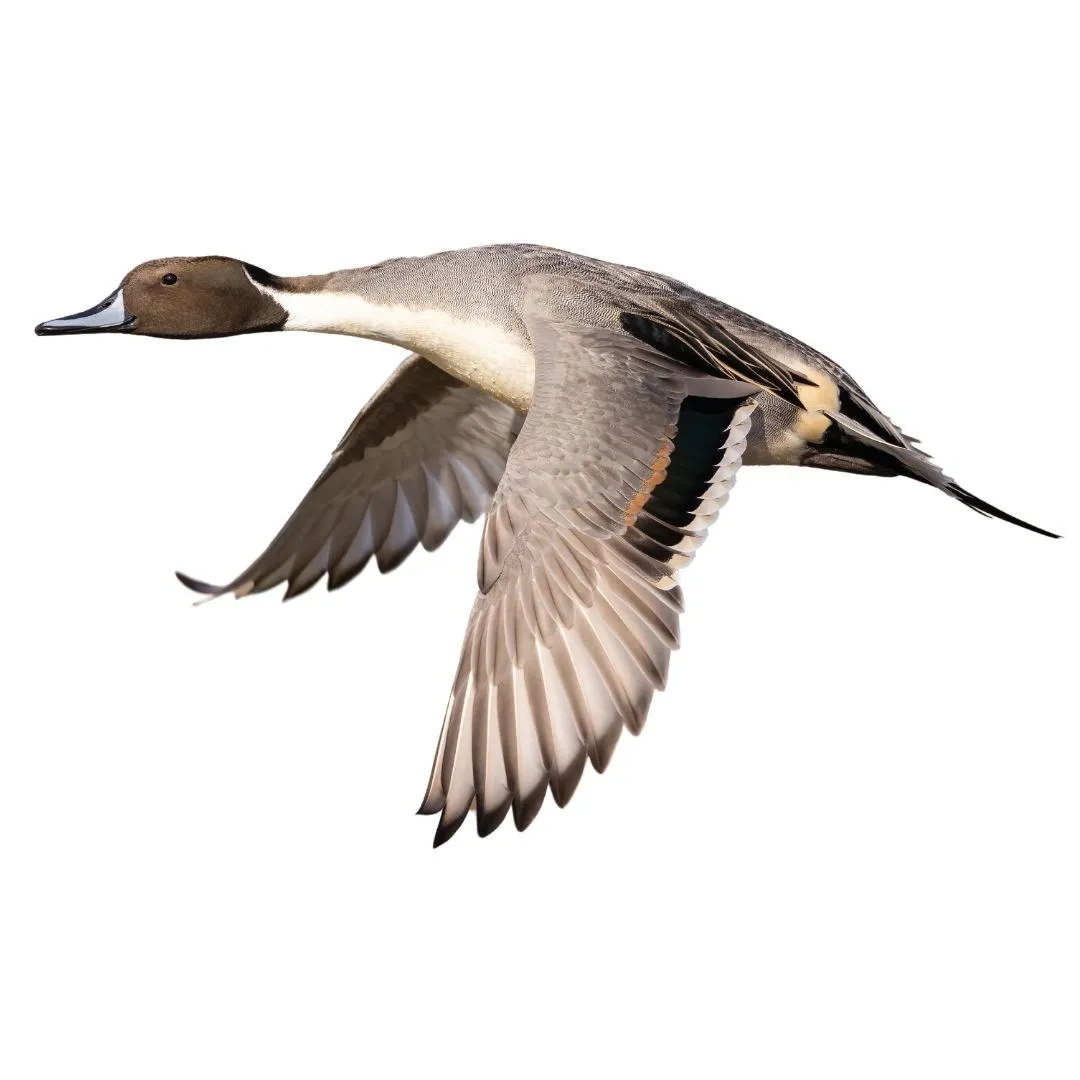
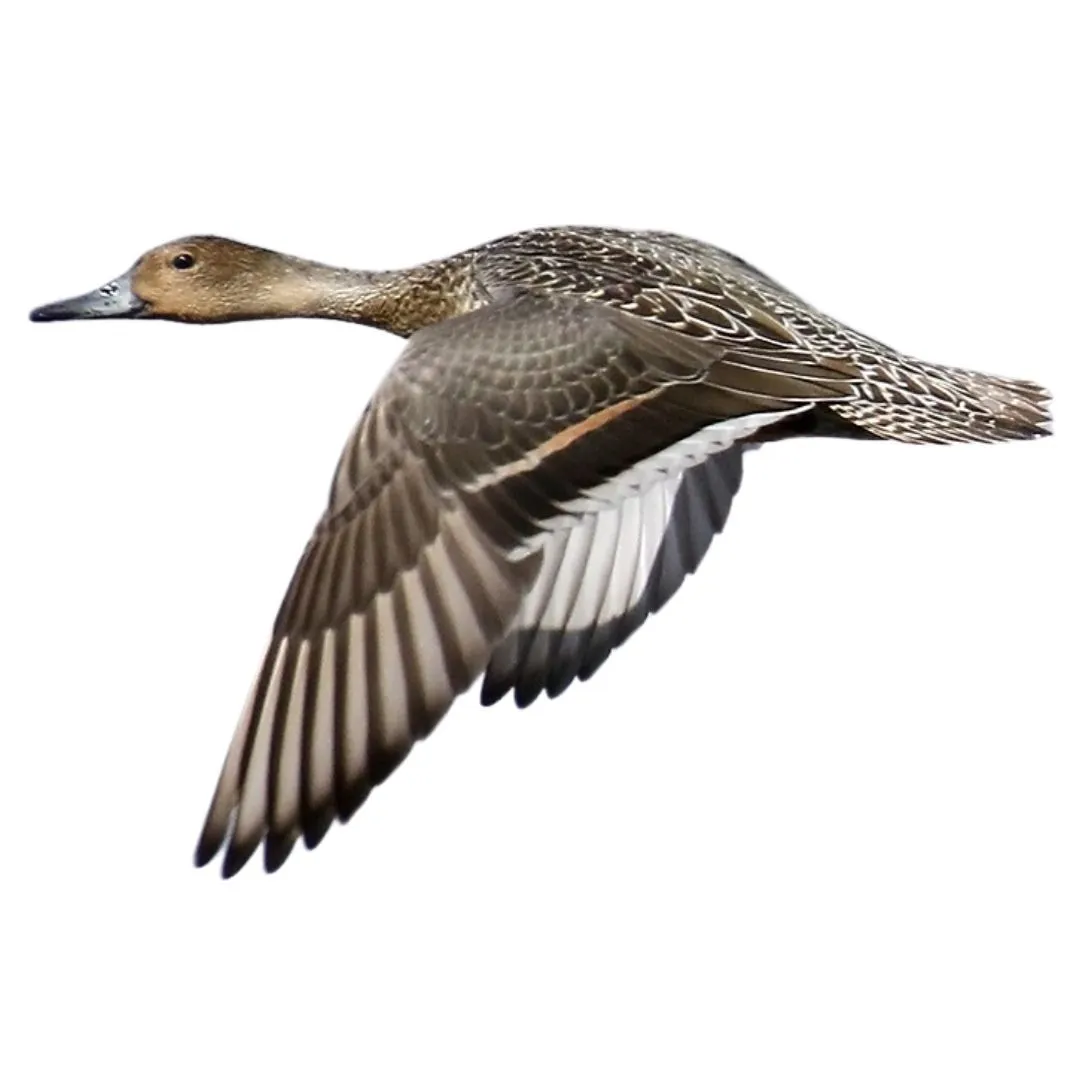
Long, Pointed Tail (Drakes), Chocolate-Brown Head (Drakes), White Neck Stripe (Drakes), Grayish Body (Drakes), Mottled Brown Plumage (Hens), Slender, Long-Necked Profile (Both Genders)
Pintails are slim, long necked dabbling ducks that stand out in any mixed flock. They carry a stretched profile in the air, with narrow wings and a longer tail than most puddle ducks. Even at distance, their thin neck and balanced, streamlined shape separate them from mallards and gadwall. In flight they show quick, steady wingbeats and a clean, light belly that flashes against darker upperparts.
Head
A slim, chocolate-brown head with a sharp white stripe.
The drake's head is dark chocolate-brown with a white stripe running up the side of the neck onto the breast — a clean, high-contrast mark even at a distance. Hens show a plainer buff-brown head without the stripe.
Bill
A slate-gray bill on a long, slender neck.
Both sexes carry a bluish-gray bill, though the drake's shows a bit more black along the top ridge. The long neck makes the bill look even more prominent than on other dabblers.
Wing
Look for a bronze-green speculum, not blue.
Unlike the Mallard's blue speculum, a Pintail's runs bronze-green, bordered in white on one edge and buff on the other. Combined with the slim wing shape, it separates them from other dabblers in a mixed flock.
Body
The most elegant profile on the water.
A long, slender body and neck give Pintails a distinctive silhouette even before the drake's namesake tail feathers come into view. Hens share the slim build, which is often the fastest way to pick one out of a raft of similar-looking hens.
Drake
Drakes have a chocolate brown head, bright white chest, and a white stripe that runs up the side of the neck. The long, pointed central tail feathers are the key mark when birds are close or circling. On the wing, the strong white chest and slim build separate them from mallards, and the lack of a bold blue wing patch helps rule out a mallard drake.
Hen
Hens are mottled brown but noticeably slimmer and longer necked than mallard hens. They show a finer bill and a more pointed tail, giving them a clean, tapered look in the air. When flying, look for the stretched silhouette and longer neck, which separate them from gadwall and other brown hens that appear stockier and shorter.
Range
Among the first to arrive, among the first to leave.
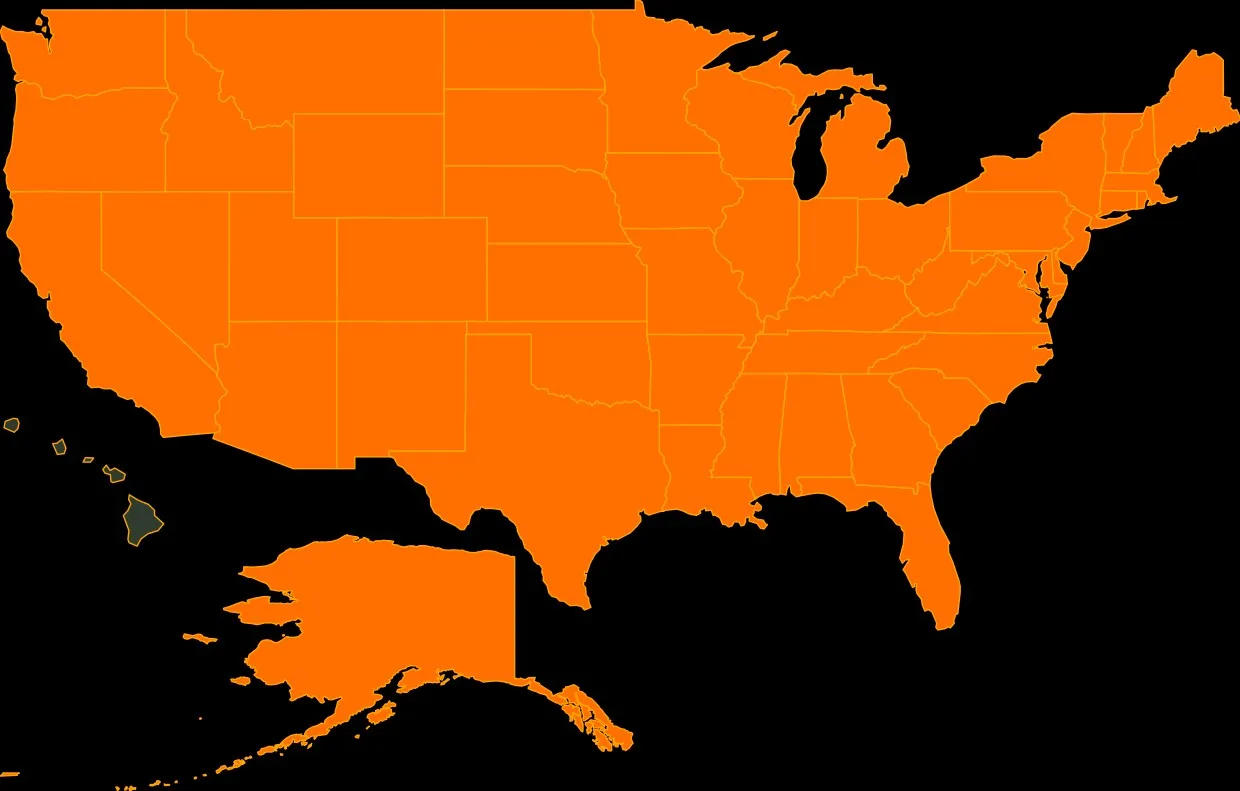
Pintails breed across the northern prairies and Arctic tundra, then push south early — often the first significant migration of the fall. They winter heavily in the Central and Pacific flyways, especially flooded rice fields and coastal marsh.
Year-Round
Northern Pintails have limited year-round presence in parts of California’s Central Valley, coastal Texas, and portions of the Pacific Northwest where suitable wintering habitat overlaps with mild conditions. Most North American populations, however, are strongly migratory and shift between northern breeding grounds and southern wintering areas.
Breeding
Breeding occurs primarily across Alaska, western and central Canada, and parts of the northern Great Plains. High densities are found in the Prairie Pothole Region, boreal forest wetlands, and tundra regions of northern Canada and Alaska. Smaller numbers breed in the northern United States, especially in the Dakotas and Montana.
Winter
In winter, Northern Pintails are widespread across the southern United States, Mexico, and Central America. Major concentrations occur in California’s Central Valley, the Gulf Coast, Mississippi Alluvial Valley, and along coastal estuaries of the Southeast and Pacific Coast.
Migration Timing
Spring migration typically runs from February through April, with birds moving north through the Central and Mississippi Flyways. Fall migration begins in September and continues into November, with large flocks staging on major wetlands, agricultural regions, and coastal marshes during movement.
Related Species
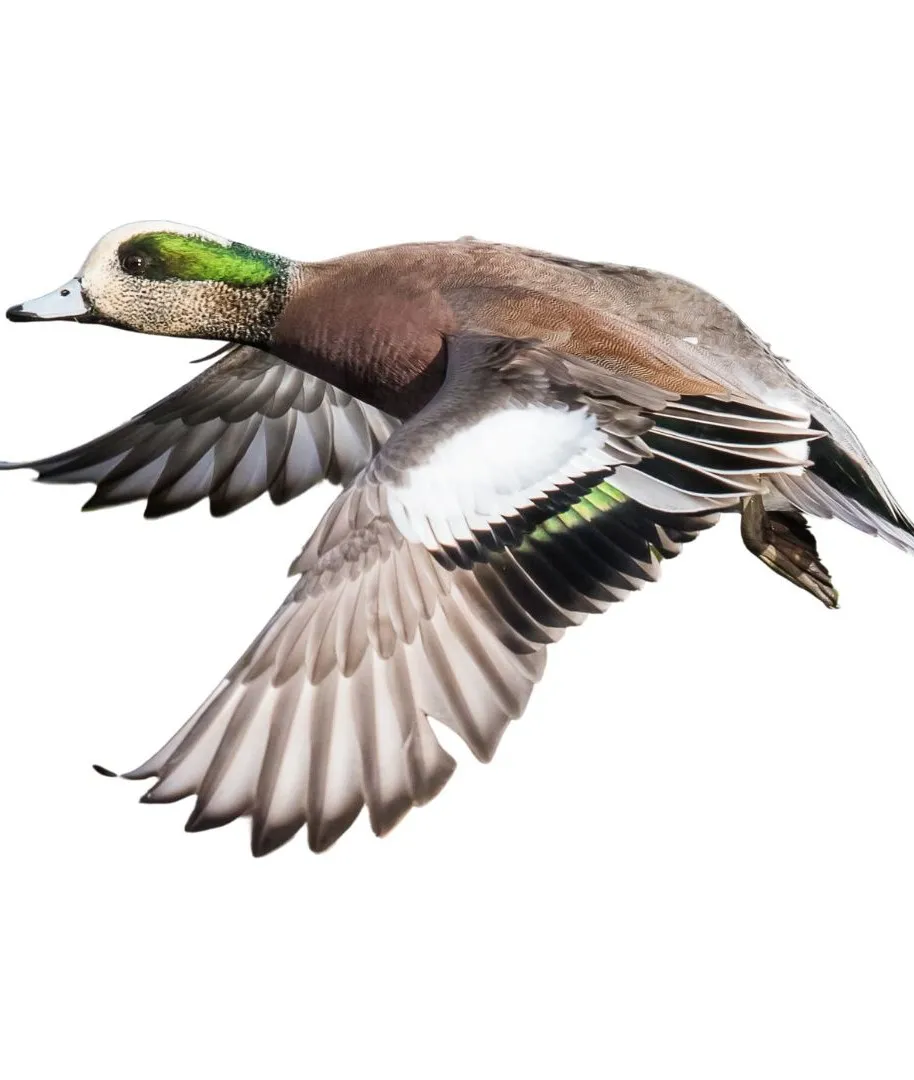
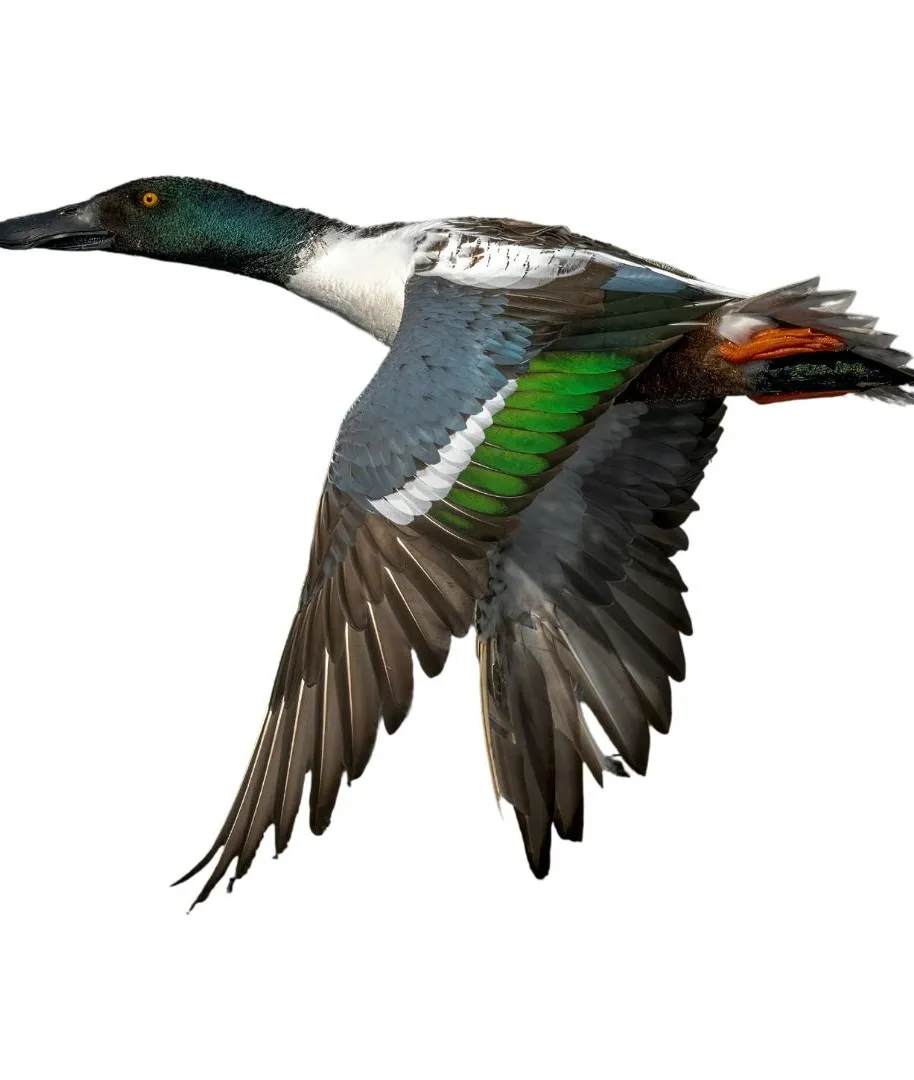
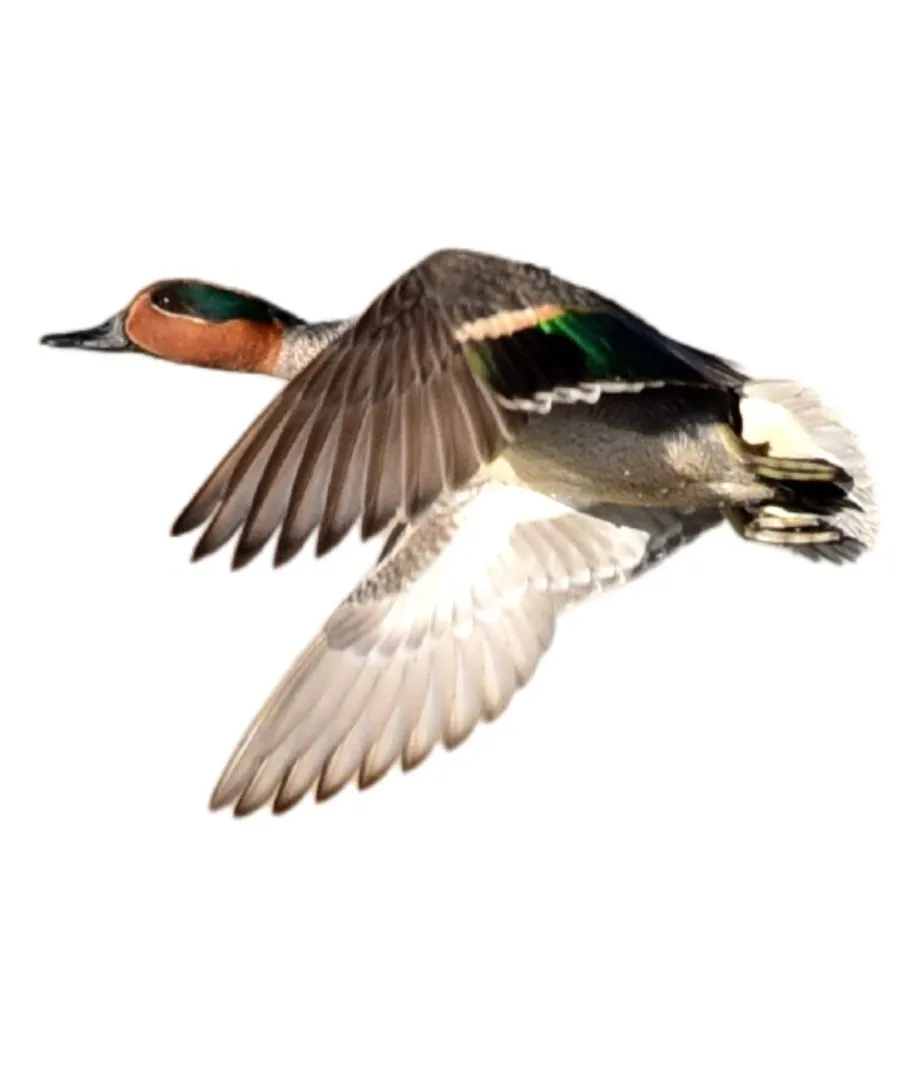
How to ID It
- Slim, long-necked profile — the most elegant silhouette on the water
- Drake: chocolate-brown head, white stripe running up the neck onto the breast
- Drake: long, needle-like central tail feathers — the namesake "pin"
- Hen: mottled tan-brown, told from other hens by build and a grey bill
Key Facts
- Bill Color (Drake)
- Blue-gray with black
- Bill Color (Hen)
- Gray with dark top
- Primary Habitat
- Shallow wetlands, marshes
- Breeding Habitat
- Prairie potholes, tundra wetlands
- Winter Habitat
- Marshes, flooded fields, estuaries
- Migration Pattern
- Long-distance migrant
- North America Status
- Common and widespread
Habitat
Primary Habitat. Northern Pintails are strongly associated with shallow wetlands, open marshes, flooded fields, and prairie potholes. They prefer shallow water with sparse emergent vegetation rather than thick cattail marsh. Large, open ponds, shallow lakes, and seasonal wetlands in grassland landscapes are commonly used. During nonbreeding periods, they also use coastal marshes, estuaries, and coastal lagoons with broad mudflats and shallow feeding areas.
Seasonal Habitat Differences. During the breeding season, pintails favor northern grasslands, tundra wetlands, and prairie pothole regions where shallow seasonal ponds provide nesting and brood habitat. In migration and winter, they expand into agricultural fields, flooded rice fields, river backwaters, and coastal marshes. Winter habitat often includes brackish estuaries and managed wetlands in southern regions.
Landscape Features to Look For. Look for wide, shallow water with open sightlines and minimal dense cover. Pintails often select flat landscapes with temporary ponds, sheet water in fields, and gently sloping shorelines. On coastal areas, focus on tidal marshes and estuaries with exposed mud and shallow feeding zones rather than deep open bays.
Frequently Asked Questions
How do you identify a Northern Pintail?
Northern Pintail is a slim, long-necked dabbling duck with a stretched profile and narrow wings. The drake shows a long pointed tail and bright white chest, while the hen appears slimmer and longer-necked than a Mallard hen. In flight, pintails look lean and streamlined compared to stockier puddle ducks.
Where do Northern Pintails live?
Northern Pintails breed across Alaska, western and central Canada, and parts of the northern Great Plains. In winter, they are widespread across the southern United States, Mexico, and Central America. Large concentrations occur in prairie wetlands, the Central Valley of California, Gulf Coast marshes, and major river systems.
What habitat do Pintails prefer?
Pintails prefer shallow wetlands, open marshes, prairie potholes, and flooded agricultural fields. They select areas with short vegetation and broad, shallow water rather than thick cattail cover. In winter, they also use coastal marshes, estuaries, and managed wetlands with exposed mudflats and sheet water.
Are Northern Pintails migratory?
Yes, Northern Pintails are long-distance migrants. Most birds move from northern breeding grounds to southern wintering areas each year. Migration follows major flyways through the Central and Mississippi regions, with birds staging on large wetlands, reservoirs, and agricultural landscapes during spring and fall movements.
How are Pintails different from Mallards or Gadwall?
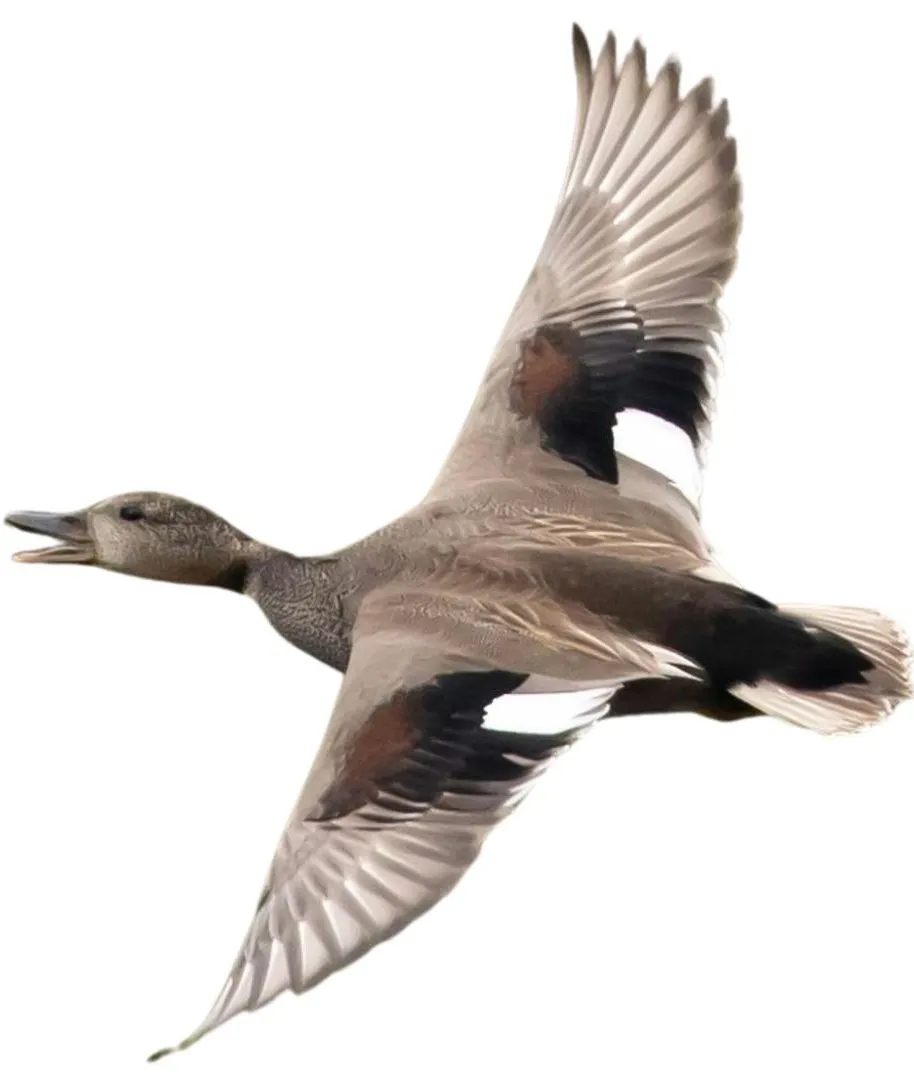
Pintails are slimmer with longer necks and more pointed tails than Mallards or Gadwall. Drakes lack the bold blue wing patch of a Mallard and do not show the white wing patch typical of Gadwall. Hens appear finer-billed and less bulky than other brown dabbling ducks.
What do Northern Pintails eat?
Northern Pintails feed mainly on seeds, grains, and aquatic plants found in shallow wetlands and flooded fields. They also consume aquatic invertebrates, especially during the breeding season. Most feeding occurs by dabbling and tipping in shallow water rather than diving.
In the Field
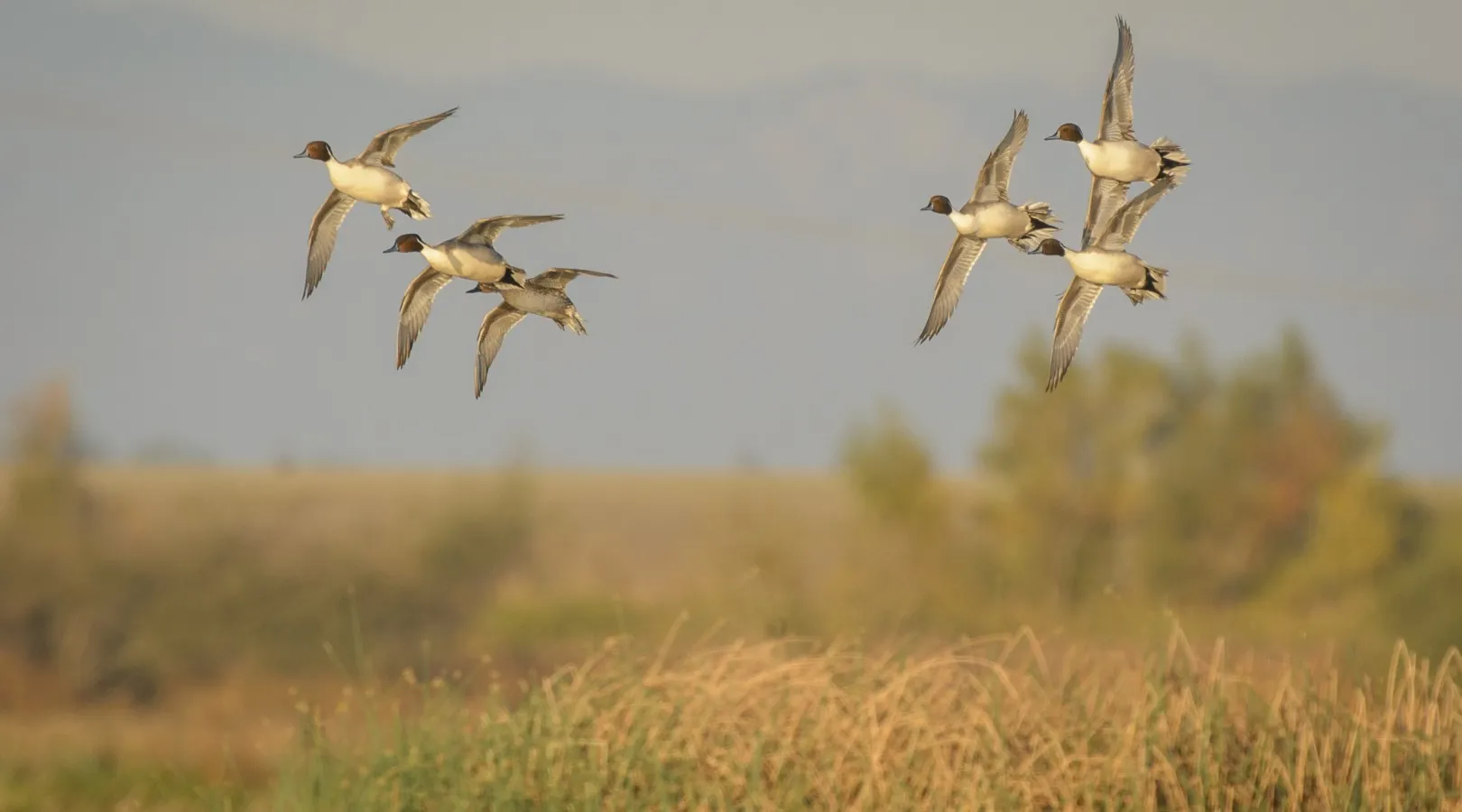
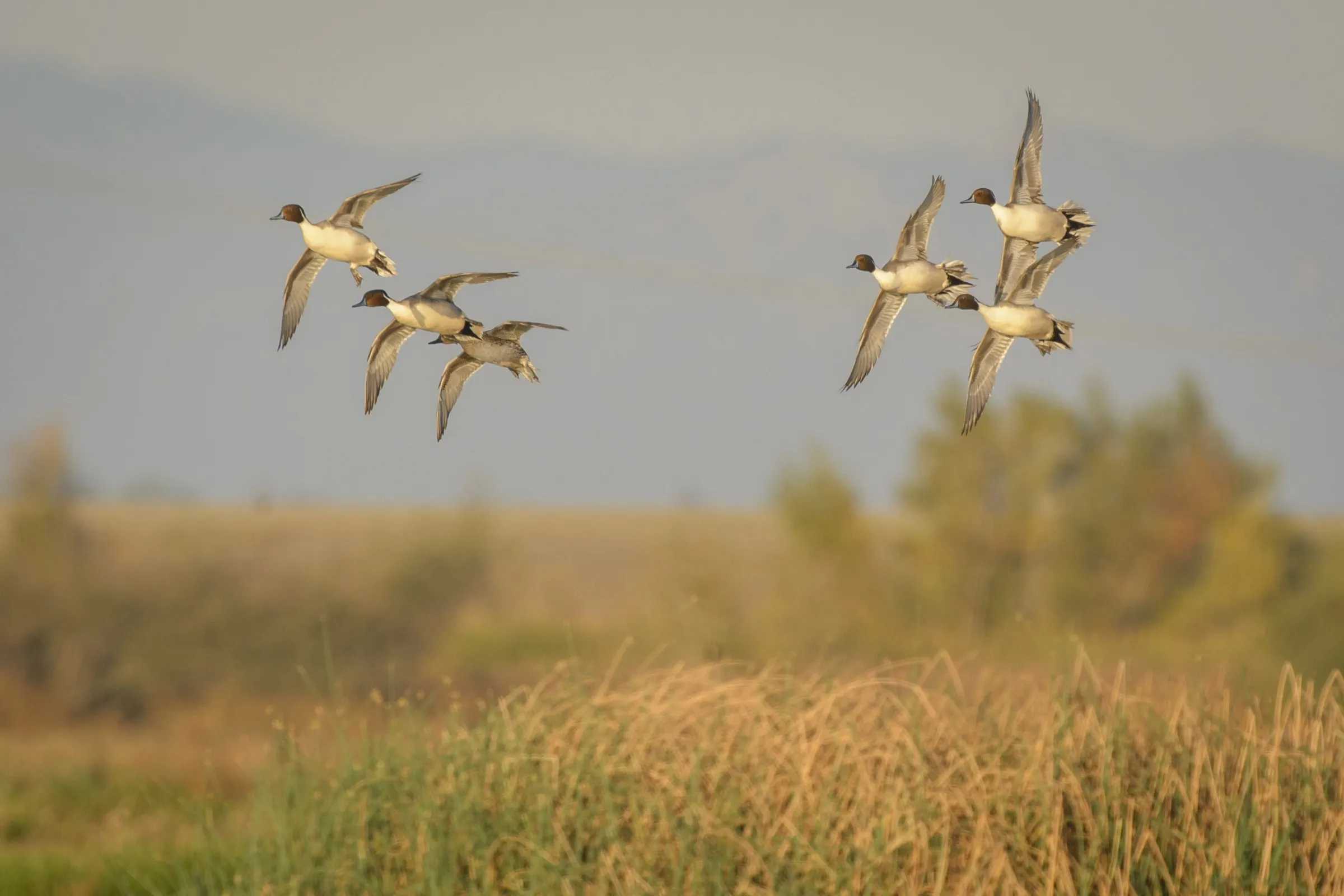
Pintails on the WingThe drake’s long central tail feathers are visible even at a distance. 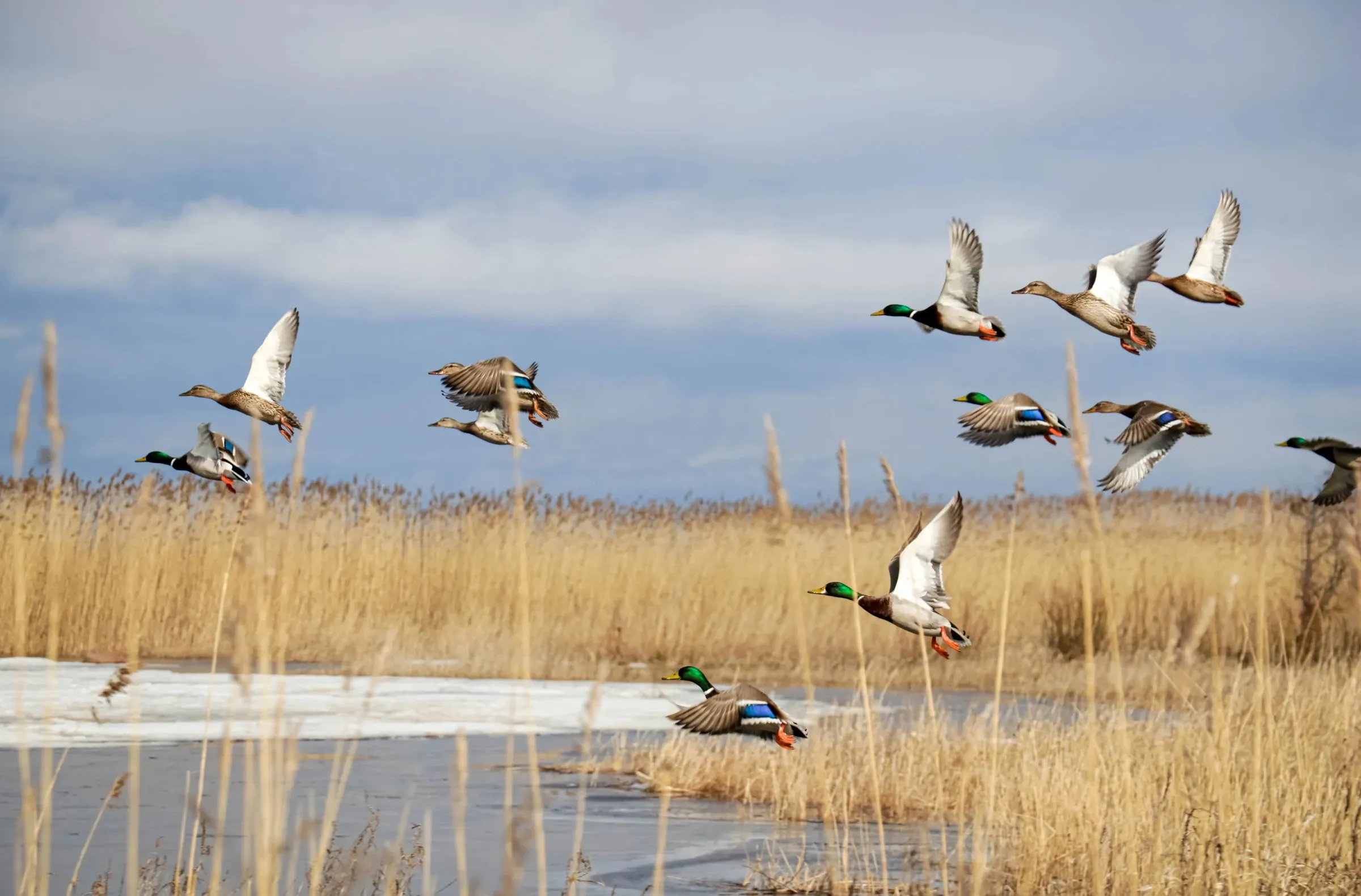
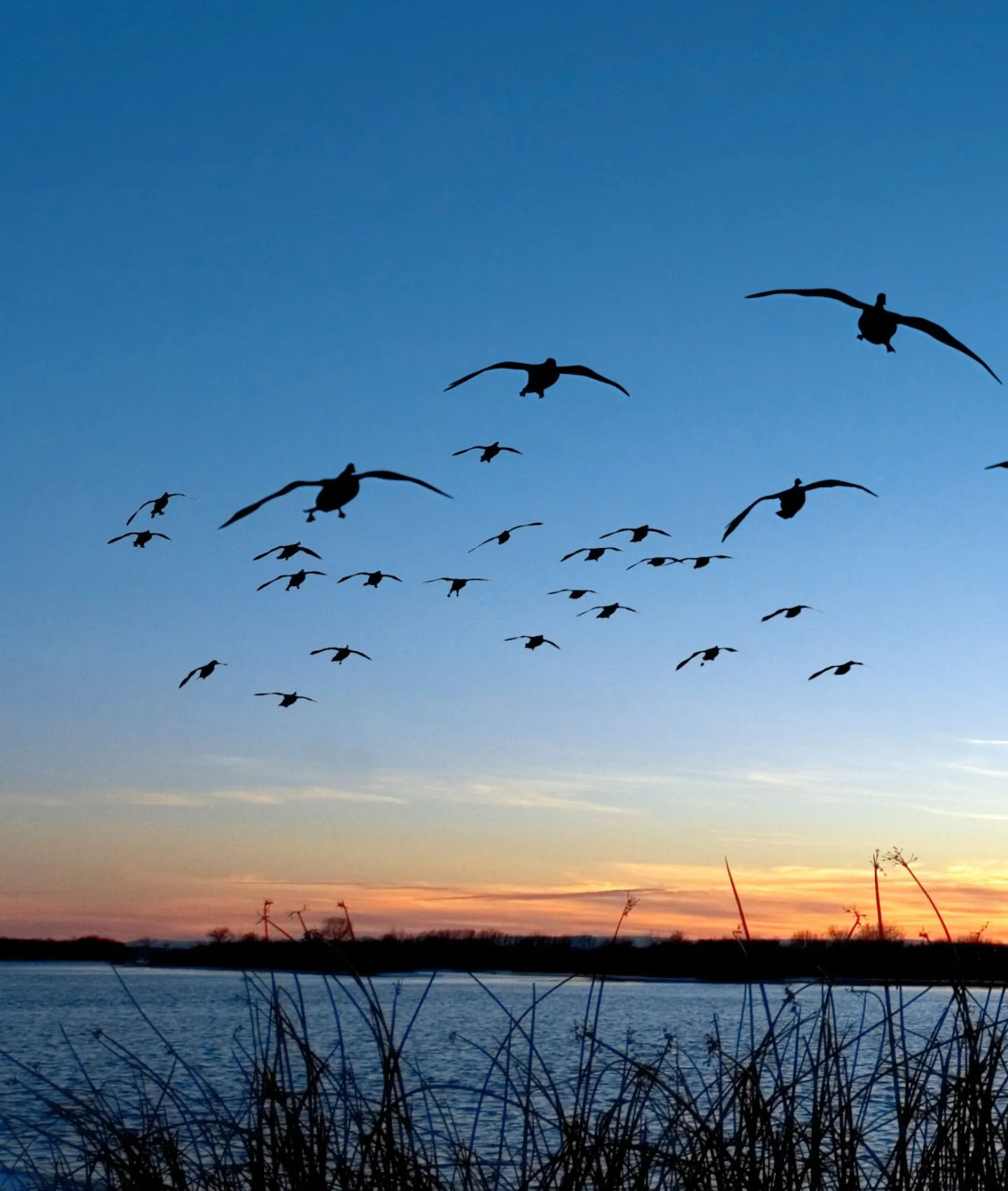
Working a SpreadPintails often mix into mixed-species flocks like this one. Coming InPintails set their wings on final approach. 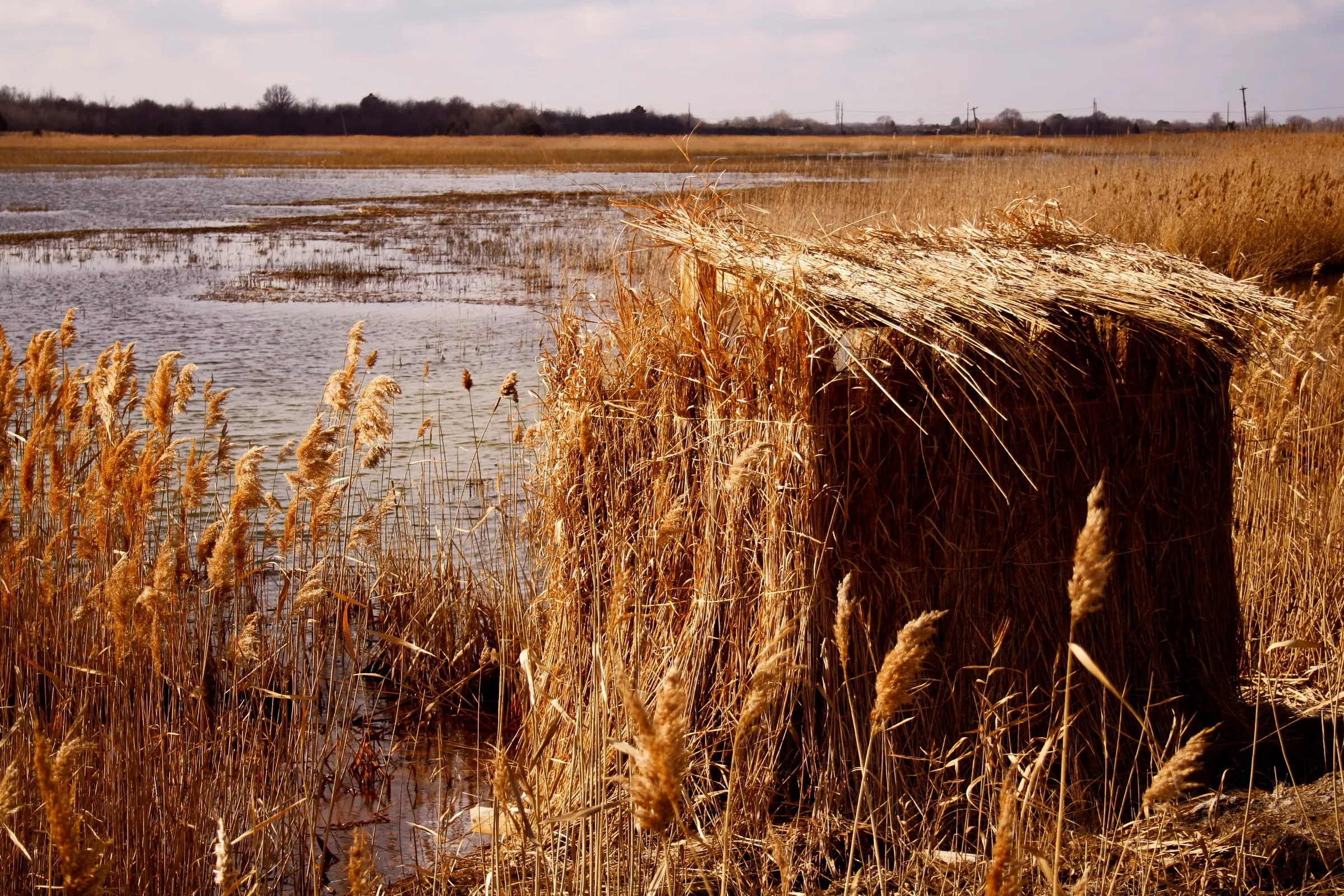
Prime HabitatShallow, grain-rich wetlands draw pintails first.