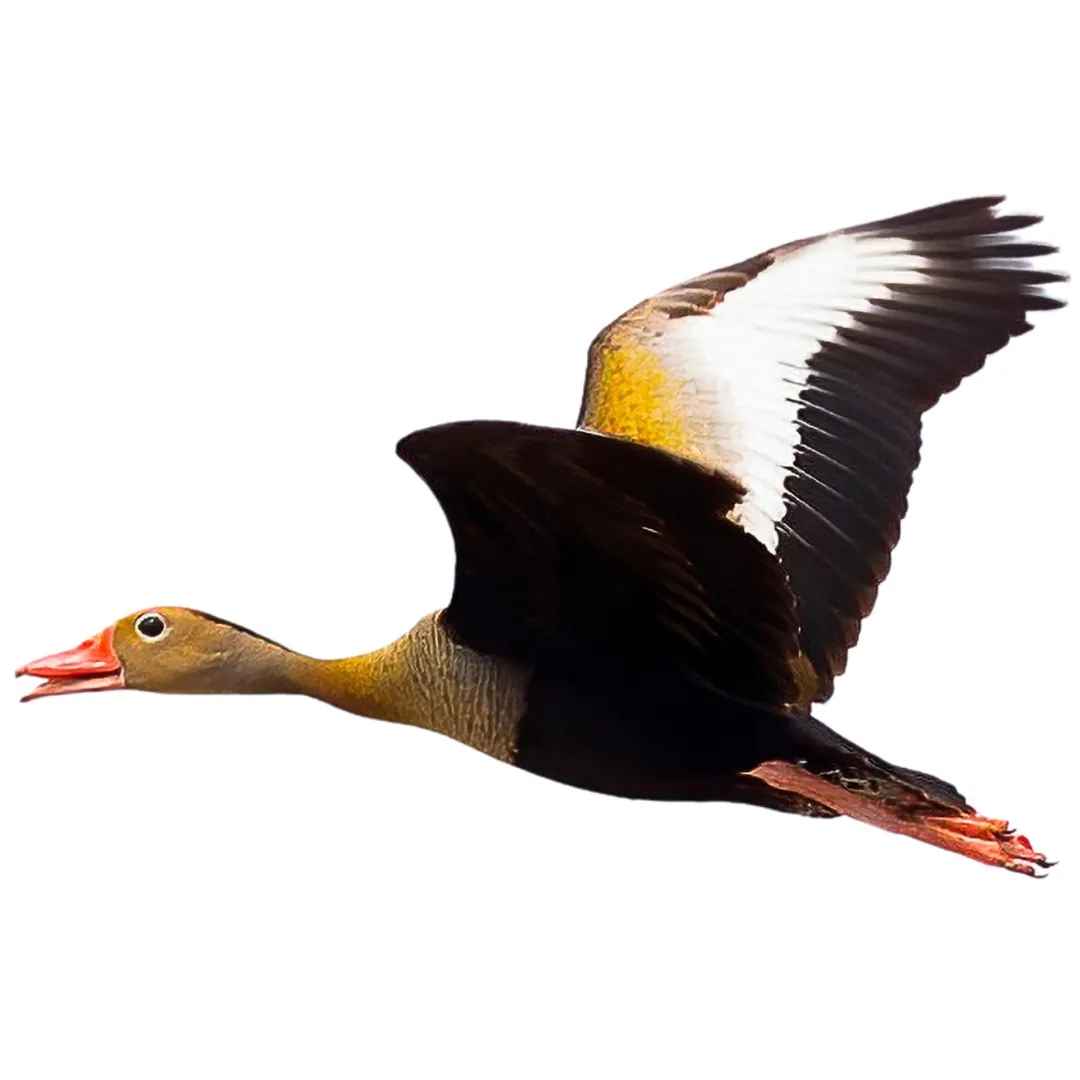
Black-bellied Whistling-Duck
Dendrocygna autumnalis
Alternate names: Tree Duck
- Length
- 18–19 in
- Weight
- 1.75 lb
- Wingspan
- 33–37 in
Calls
Whistling Ducks are highly vocal, and their clear whistled calls are often the first clue to their presence.
- Males: Sharp, high-pitched whistling notes, bright and carrying, commonly repeated in flight and during courtship displays.
- Females: Clear, high whistled notes, slightly lower and softer than the male’s, given frequently in flight and as contact calls within flocks.
Drake
Males give clear, high-pitched whistling notes that carry well over open water and fields. The tone is sharp and piercing, commonly heard during flight, flock gatherings, and courtship displays. Calls are frequently given in repeated series, especially when birds are circling or moving between roost and feeding areas.
Hen
Females produce similar whistling calls, slightly lower and sometimes softer than the male’s. Unlike most dabbling ducks, hens do not give loud quacks. Both sexes sound alike at distance, which reflects their similar plumage.
When You'll Hear Them
Vocalizations are most noticeable at dawn and dusk, during flock movements, and throughout the breeding season. Calling often continues in flight, making the species identifiable by sound even before birds are visible.
Overview
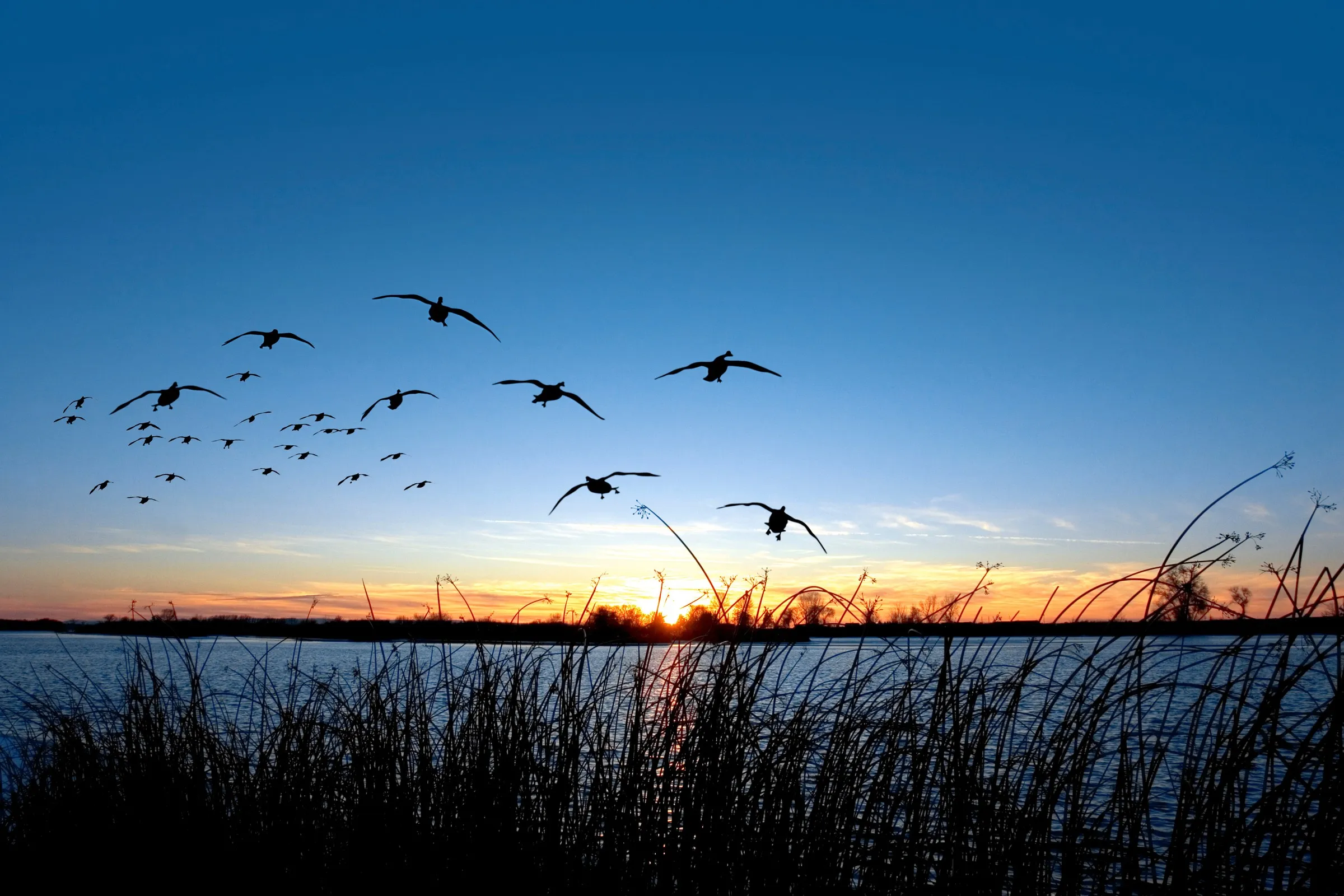
Whistling ducks are long-legged, goose-like ducks known for their high-pitched, whistling calls and upright posture. In flight, Whistling Ducks give clear, high-pitched ‘weep-weep’ calls, and they often migrate or move in loose, V-shaped flocks.
The two main species in North America are the black bellied whistling duck and the fulvous whistling duck. Whistling Ducks favor freshwater marshes, rice fields, and shallow ponds, where they feed by dabbling for seeds, grains, and invertebrates. Their unique call, large size, and social nature in flocks make them easy to identify for hunters. Unlike most ducks, whistling ducks are more likely to be seen perching in trees.
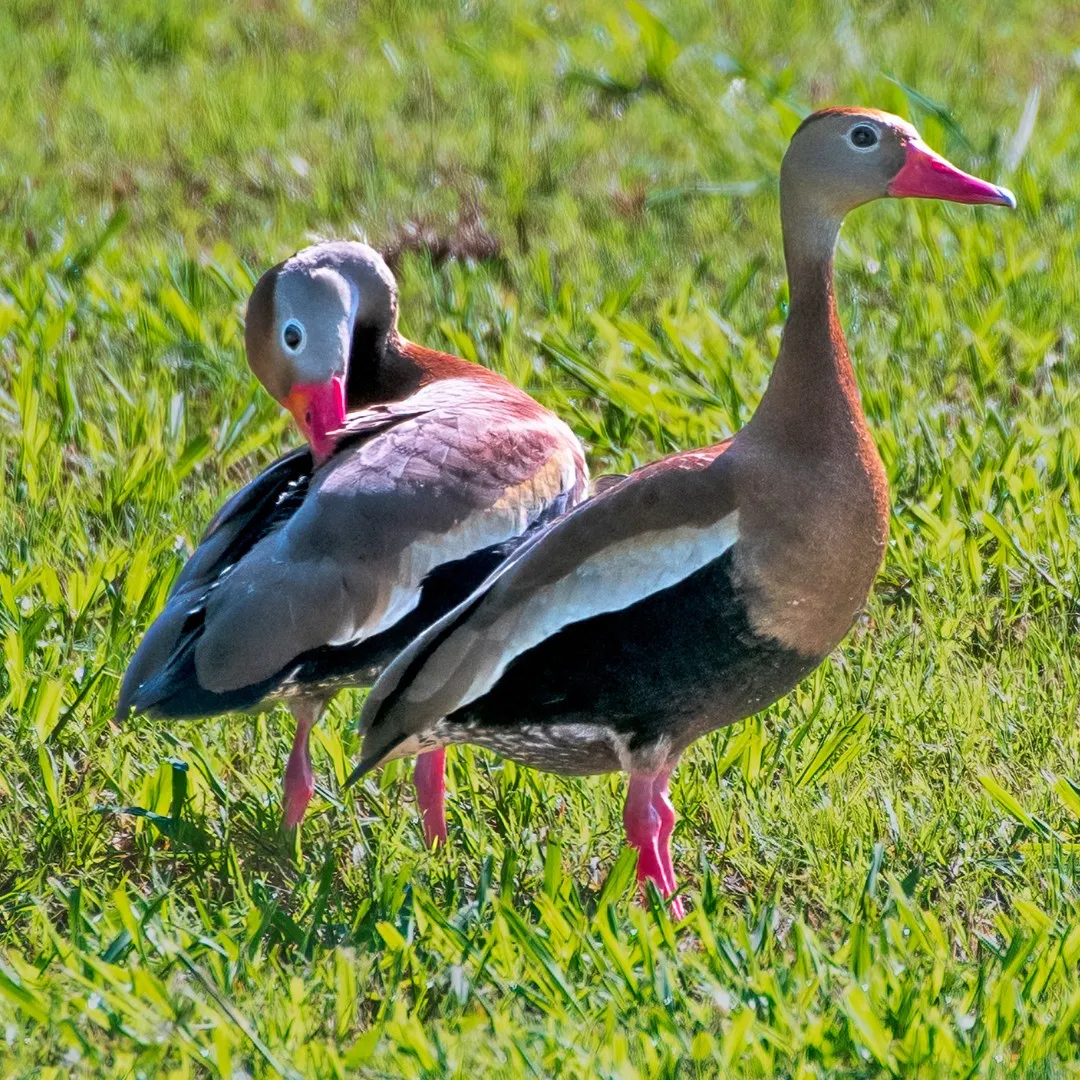
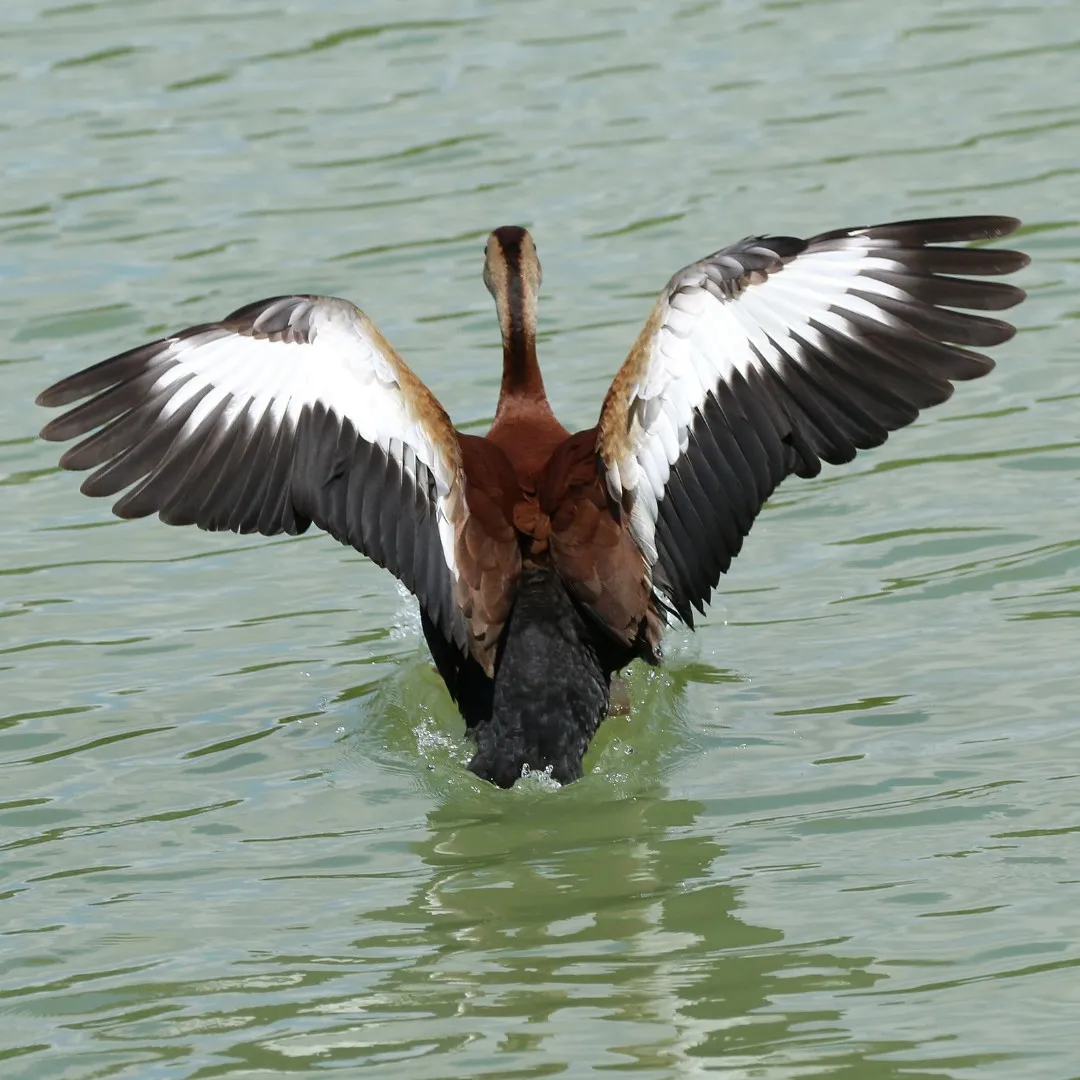
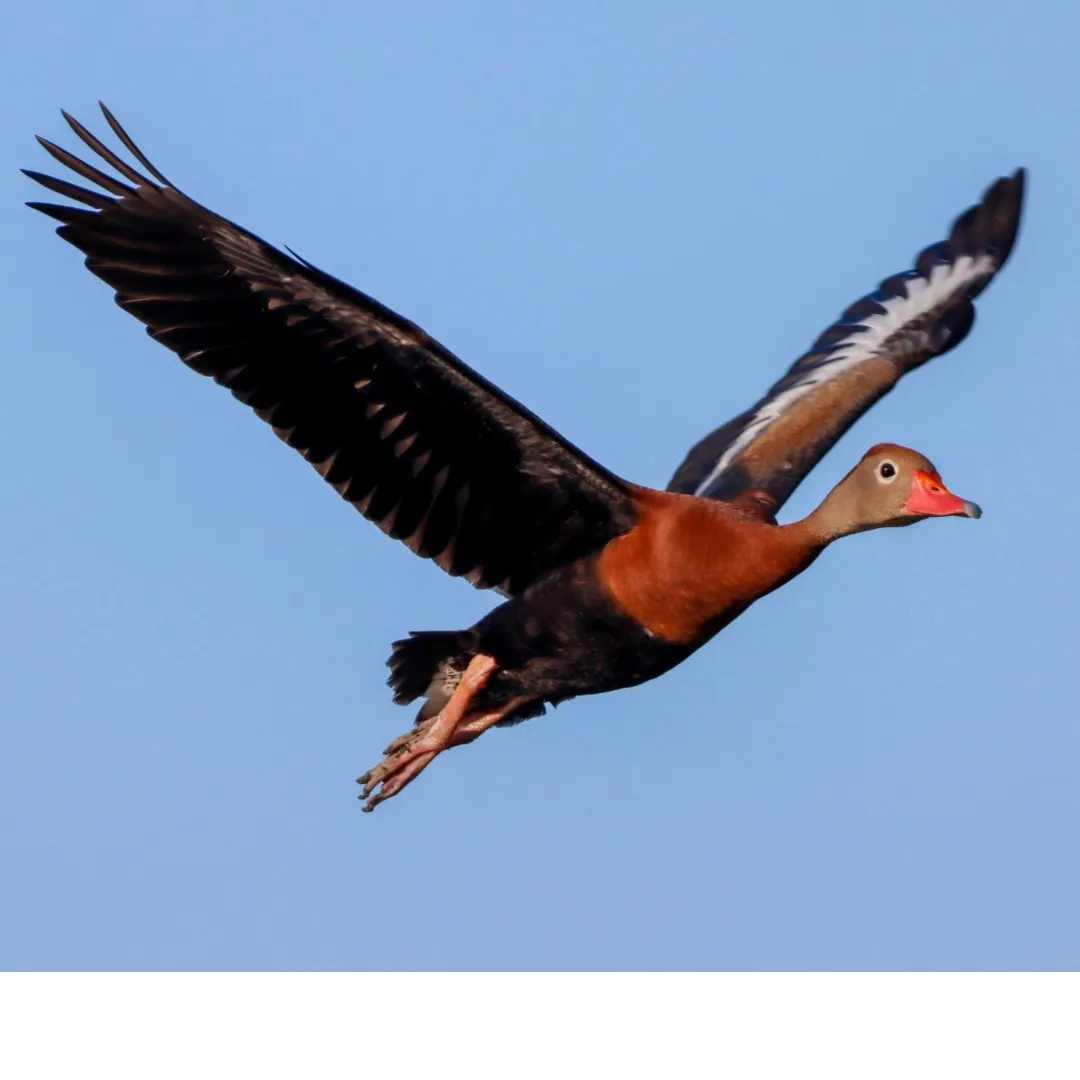
Black bellied Whistling Ducks are easily recognized by their chocolate-brown body, contrasting black belly, and pale pink bill. Their long necks and legs give them a heron-like stance when wading. In flight, they display striking white wing patches against dark wings. They breed and winter in warm, humid regions, often in tree cavities or nest boxes near water, and forage in agricultural fields and shallow wetlands for seeds and small aquatic animals.
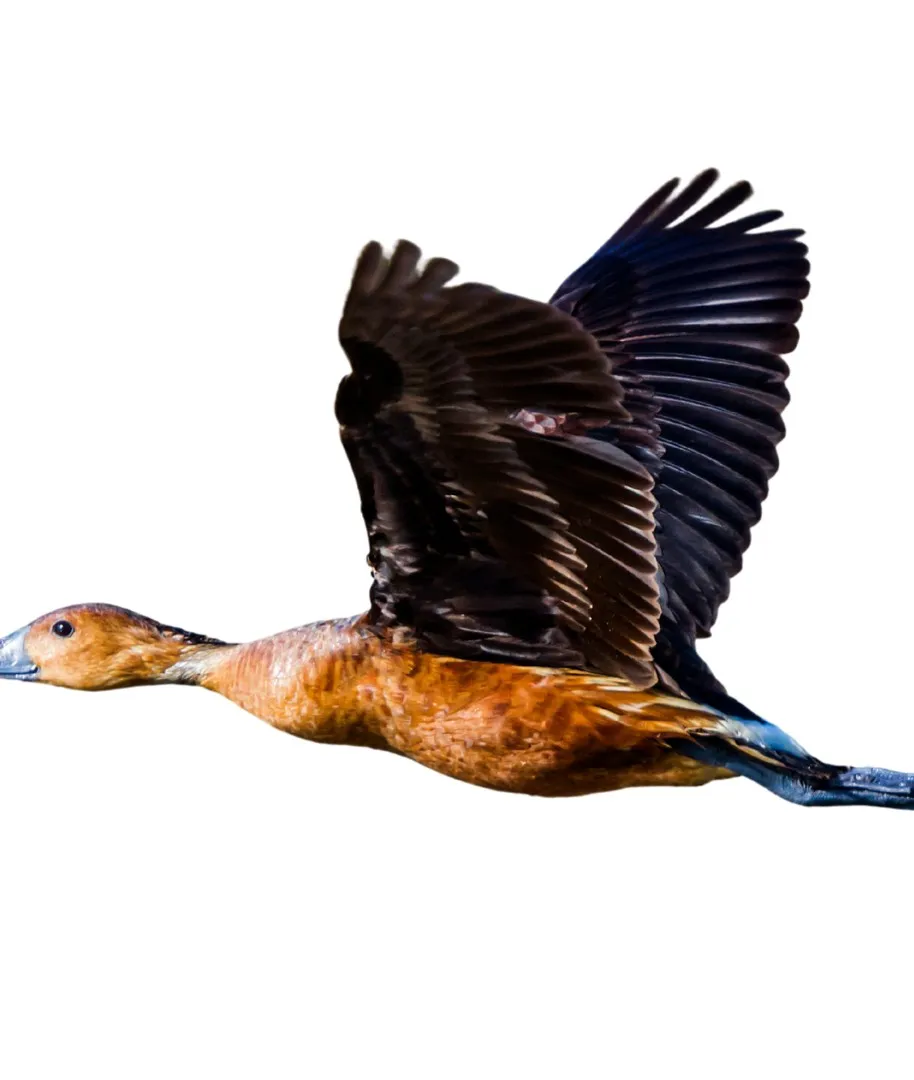
Fulvous Whistling-Ducks have a warm, tawny-brown body with darker mottling and a pale, buff-colored face. Their legs and bill are gray-blue, and their wings show subtle black flight feathers edged in lighter tones. Unlike their black-bellied cousins, Fulvous Whistling-Ducks often nest on the ground in dense vegetation and form large communal roosts at night.
Identification
High-pitched whistling call, upright posture, long legs, social flock behavior, distinctive white wing patches, dabbling feeding habits
Whistling ducks are long-legged, upright ducks with a slim body and small head set on a long neck. They stand tall on land and in flight their legs extend well past the tail, which is the fastest way to separate them from other ducks. The wingbeat is steady and shallow with broad rounded wings, giving a smooth, direct look. Hunters often mistake them for small geese, but they are smaller with shorter necks and quicker wingbeats.
There are two types of Whistling Ducks:
Black Bellied Whistling Ducks: Long pink legs, chocolate-brown body with contrasting black belly, bold white wing patch, tree-cavity nesting, warm humid habitat preference
Fulvous Whistling Ducks: Tawny-brown mottled body, gray-blue bill and legs, ground-nesting in dense marsh vegetation, upending/dabbling feeding style, large communal roosts at night
Drake
Males look the same as females, lacking the bright plumage differences seen in most puddle ducks. On Black-bellied Whistling Ducks, drakes show a pink to red bill and a bold white wing patch in flight. On Fulvous Whistling Ducks, the body is cinnamon brown with darker back striping and no strong white in the wing.
Hen
Females match the males in overall color and structure, so size and shape are the main cues. They share the long legs, upright stance, and extended legs in flight that define the group. Compared to mallards or teal, they appear longer-legged, slimmer, and more goose-like in profile, especially when circling or landing.
Range
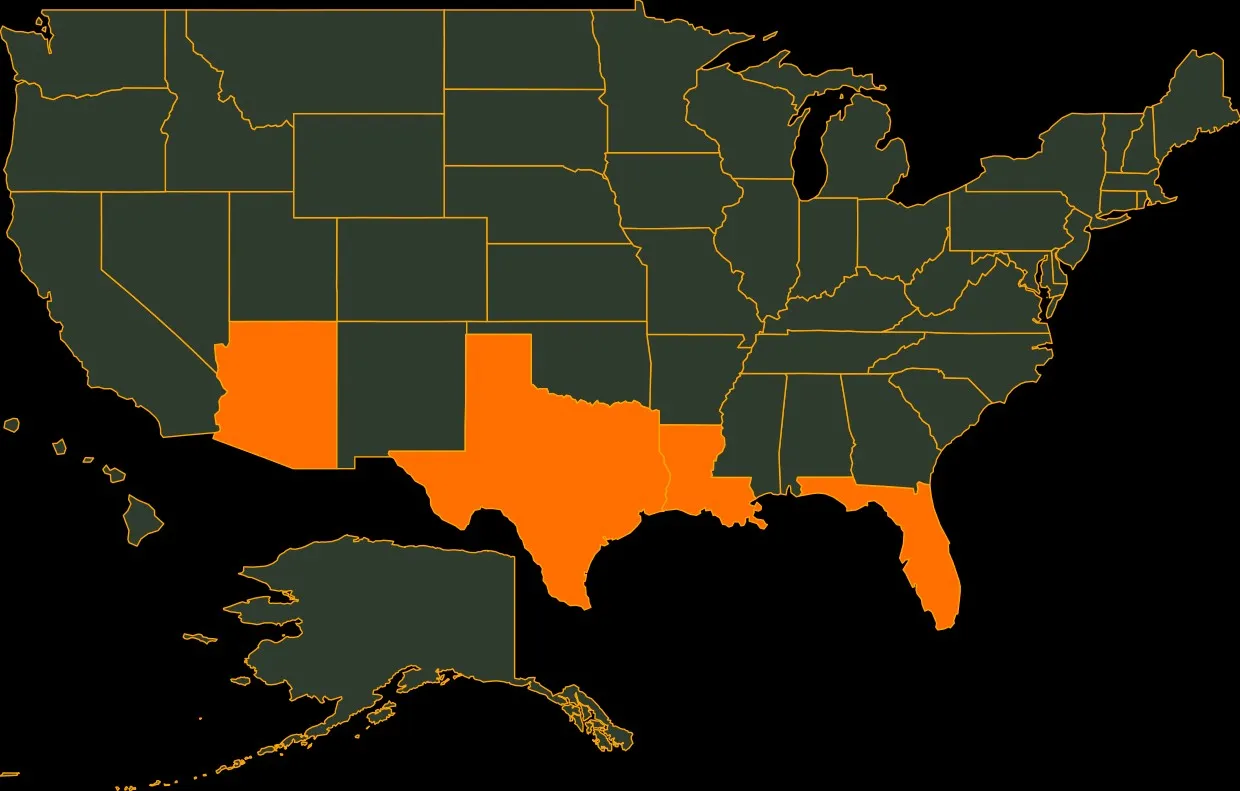
In North America, whistling ducks occur year-round primarily in the southern United States, especially Texas, Louisiana, Florida, and parts of the Gulf Coast. Resident populations of Black-bellied Whistling-Ducks are well established in these regions. Fulvous Whistling-Ducks are also present year-round in southern Texas and coastal Louisiana, with smaller localized populations elsewhere along the Gulf Coast.
Breeding
Black-bellied Whistling-Ducks breed in the southern United States, Mexico, Central America, and parts of South America. In the U.S., breeding is concentrated in Texas, Louisiana, Florida, and expanding portions of the Southeast. Fulvous Whistling-Ducks breed in southern Texas and coastal Louisiana, as well as widely across Mexico, Central America, and tropical South America.
Winter
During winter, both species remain common in the southern United States, Mexico, Central America, and northern South America. U.S. winter concentrations are strongest along the Gulf Coast and in Florida. They do not undertake long-distance continental migrations like most North American dabbling ducks.
Migration Timing
Whistling ducks are partial migrants in the United States. Northern edge populations may shift south in fall, typically from September through November, with northward movements in late winter and early spring. Many southern populations remain resident year-round.
Related Species
 DuckComing SoonFulvous Whistling-DuckDendrocygna bicolor
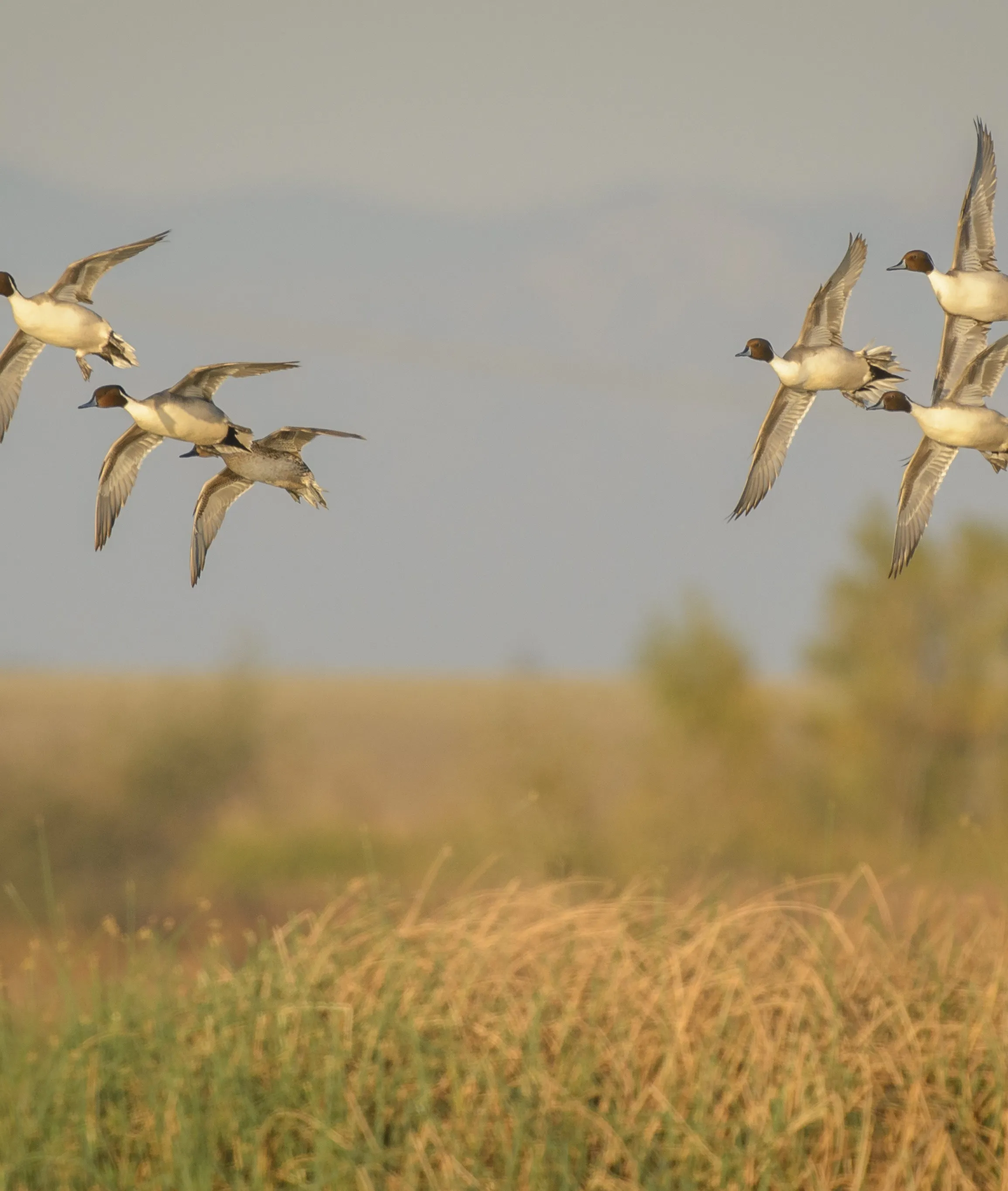 DabblerNorthern PintailAnas acuta
 DabblerMallardAnas platyrhynchos
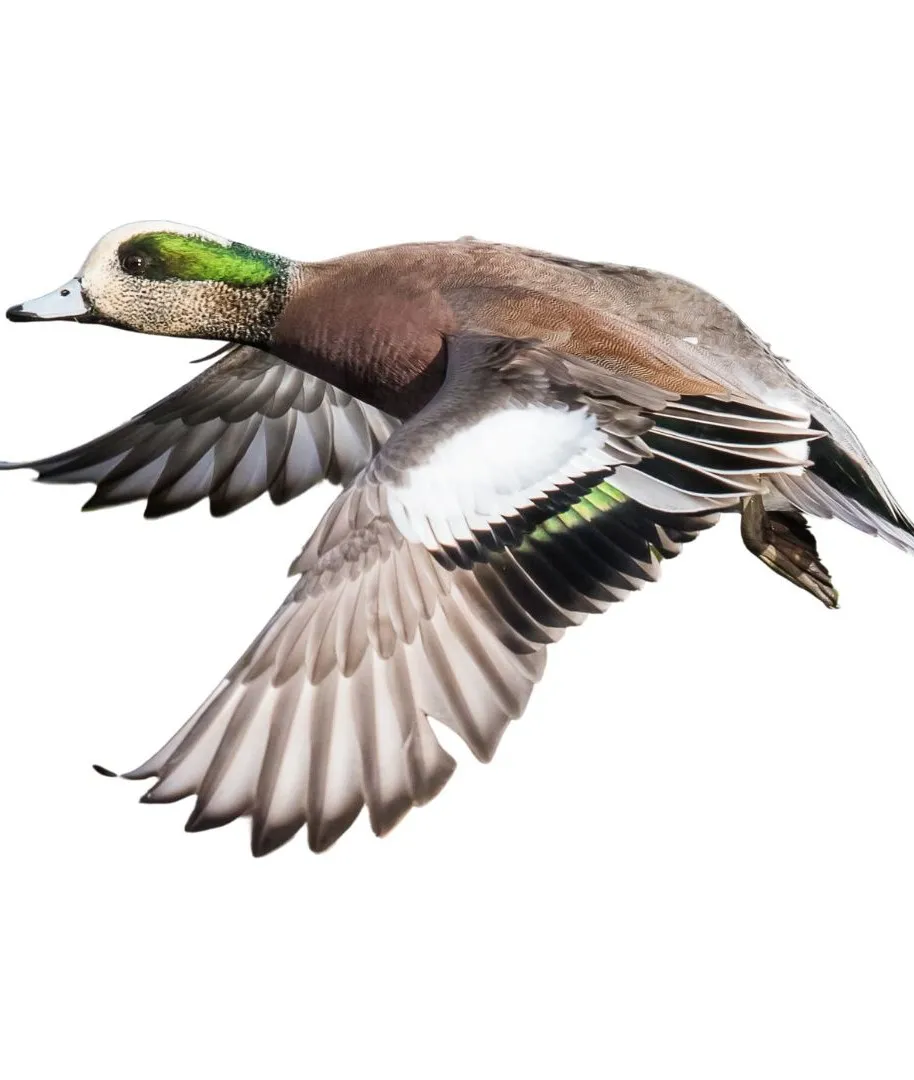 DabblerWigeonMareca americana
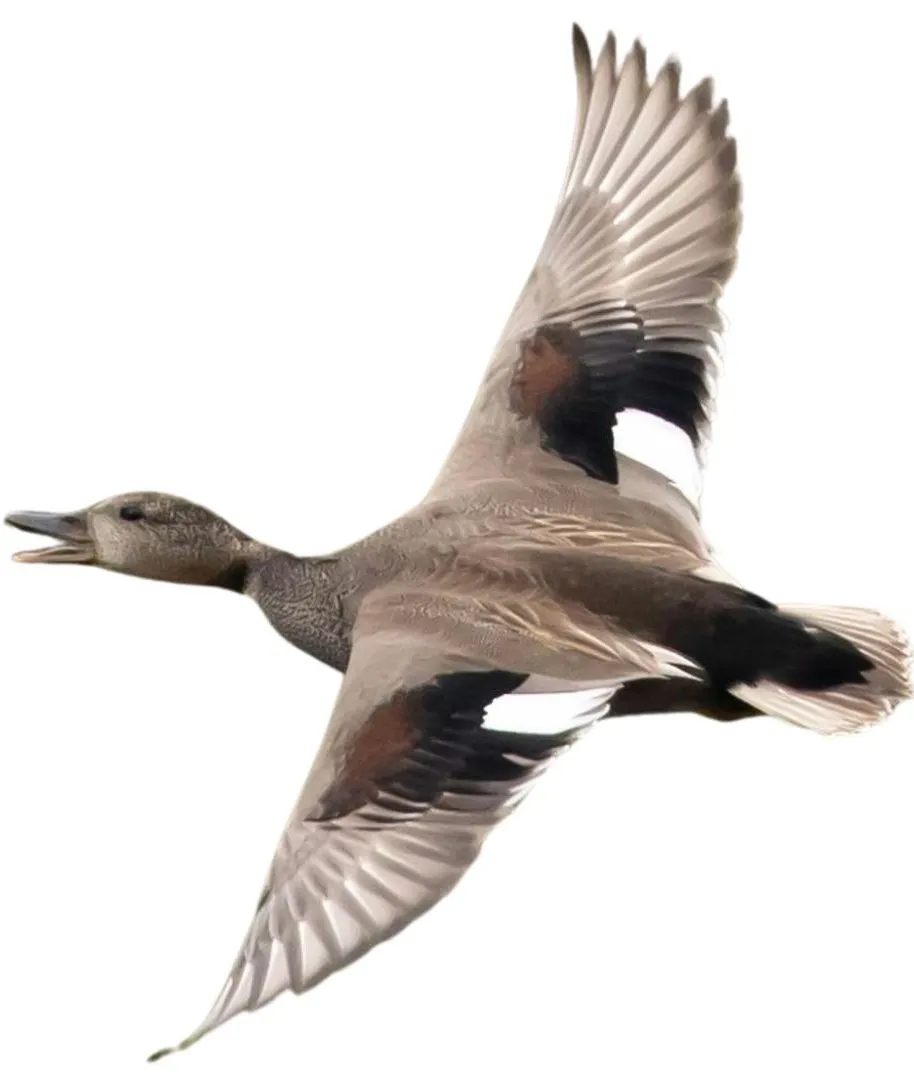 DabblerGadwallMareca strepera
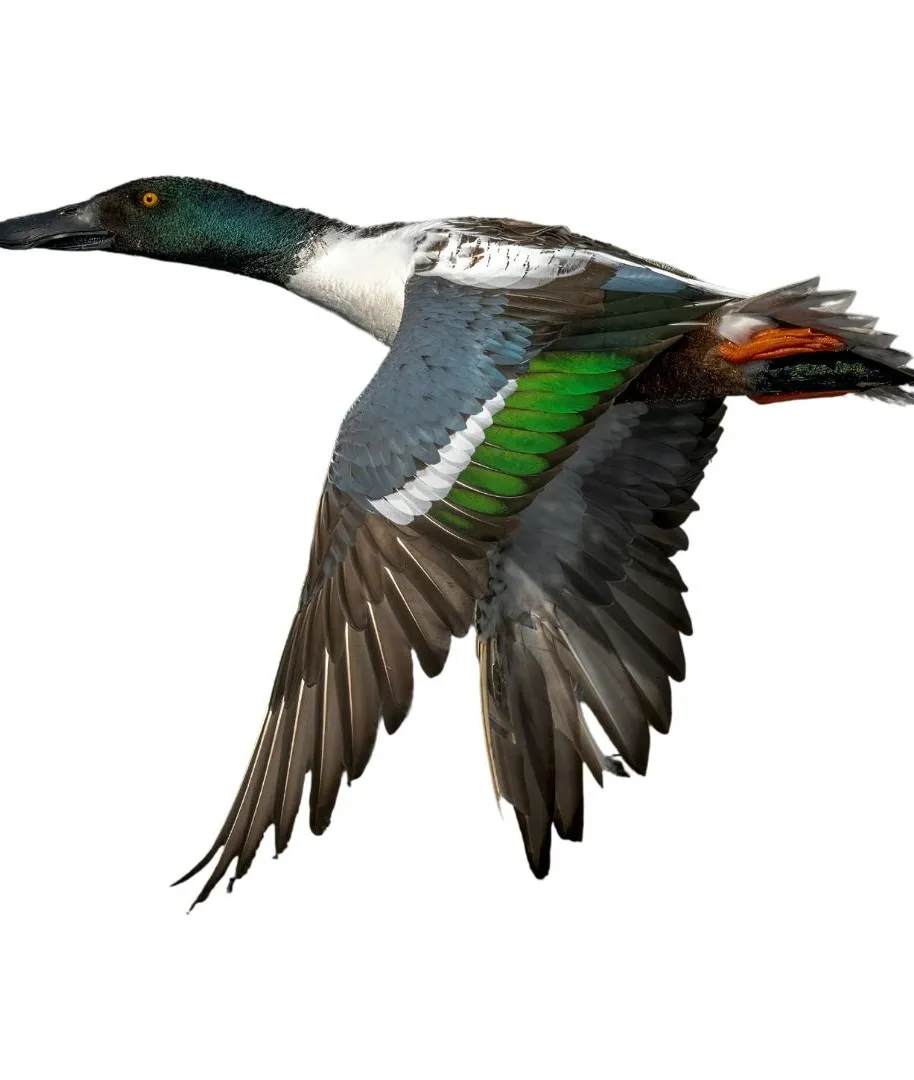 DabblerNorthern ShovelerSpatula clypeata
How to ID It
- Long legs and neck create an upright, goose-like silhouette unlike typical dabbling ducks
- Legs extend well beyond the tail in flight, clearly visible from below
- Slim body with rounded wings and steady, shallow wingbeats
- Bill is relatively long and straight, not spatulate like a shoveler
- Head appears small and rounded on a long neck
- Black-bellied Whistling-Duck shows bold white wing patch in flight; Fulvous lacks strong white in wing
- Black-bellied has pink to red bill and legs; Fulvous has darker gray bill and legs
- Sexes look alike in both species, with no obvious drake plumage differences
- Separated from geese by smaller size, shorter neck, and faster wingbeat
Key Facts
- Bill Color (Drake)
- Pink or gray, species dependent
- Bill Color (Hen)
- Pink or gray, species dependent
- Primary Habitat
- Shallow wetlands, marshes
- Breeding Habitat
- Freshwater marshes, ponds
- Winter Habitat
- Coastal marshes, flooded fields
- Migration Pattern
- Partial migrant; southern movements
- North America Status
- Localized; southern U.S. populations
Habitat
Primary Habitat. Whistling Ducks are most strongly associated with shallow freshwater wetlands, including marshes, ponds, shallow lakes, flooded fields, and wet grasslands. They prefer open water with scattered emergent vegetation rather than dense cattail cover. In the southern United States, they are common around rice fields, agricultural ponds, drainage wetlands, and slow-moving river backwaters. They often use both natural wetlands and managed water impoundments.
Seasonal Habitat Differences. During the breeding season, whistling ducks use freshwater marshes, shallow ponds, prairie wetlands, and flooded grasslands with nearby nesting cover. In nonbreeding months, they expand into flooded agricultural fields, coastal marshes, estuaries, and shallow coastal lagoons, particularly along the Gulf Coast and in Florida. Year-round resident populations frequently shift locally between wetlands and nearby feeding areas rather than moving long distances.
Landscape Features to Look For. Look for shallow water less than a few feet deep, open marsh edges, wet pastures, rice fields, and freshwater impoundments. They favor low, open landscapes with scattered trees or fence lines for perching and roosting, often near agricultural or suburban water sources.
Frequently Asked Questions
How do you identify a Whistling Duck in the field?
Whistling Ducks are recognized by their long legs, upright posture, and slim, goose-like silhouette. In flight, the legs extend well past the tail, which is a key field mark. Both sexes look alike, unlike most dabbling ducks. Black-bellied Whistling-Ducks show a bold white wing patch, while Fulvous Whistling-Ducks lack strong white in the wing.
Where are Whistling Ducks found in North America?
In the United States, Whistling Ducks occur mainly in the southern states, especially Texas, Louisiana, and Florida. Black-bellied Whistling-Ducks have expanded northward in parts of the Southeast. Fulvous Whistling-Ducks are more limited, concentrated along the Gulf Coast, with broader distribution through Mexico and Central America.
Are Whistling Ducks migratory?
Whistling Ducks are partial migrants in North America. Many southern populations remain year-round in the same general region. Birds near the northern edge of their range may move south in fall and return in spring, but they do not follow long-distance continental migration patterns like most puddle ducks.
What habitats do Whistling Ducks prefer?
Whistling Ducks use shallow wetlands such as marshes, ponds, flooded fields, and wet grasslands. They are common around rice fields, agricultural ponds, and freshwater impoundments. In coastal regions, they may also use estuaries and shallow coastal marshes, especially outside the breeding season.
Are Whistling Ducks the same as tree ducks?
Yes. Whistling Ducks are often called tree ducks because they frequently perch and nest in trees. In North America, the Black-bellied Whistling-Duck is especially known for using tree cavities and artificial nest boxes, which sets it apart from most other ducks.
What species are commonly confused with Whistling Ducks?
Whistling Ducks are often mistaken for small geese due to their long neck and upright stance. They are smaller than geese and show longer legs relative to body size. They differ from mallards and teal by their extended legs in flight and lack of strong differences between male and female plumage.