Mottled Duck
Anas fulvigula
Alternate names: Mottled Mallard, Florida Duck, Gulf Coast Duck, Dusky Duck
- Length
- 23 in
- Weight
- 2.5 lb
- Wingspan
- 32–34 in
Calls
Mottled Duck vocalizations closely resemble Mallard calls, with the hen’s raspy quack being the most common. Standard Mallard calls are effective, but soft, restrained calling is usually more productive than loud or aggressive sequences.
- Males: Soft, reedy rasp delivered in short bursts, lower and less forceful than the hen, used mainly during courtship.
- Females: Loud, clear series of quacks, slightly flatter and lower than a Mallard hen, commonly used in contact and alert situations.
Mottled Ducks are fairly vocal year-round, with hens giving frequent quacks similar to Mallards.
Drake
Males produce a soft, raspy reedy note during courtship, lower and less forceful than a hen’s call. The sound is brief and subdued, most often heard at close range on the water. Drakes are generally quiet outside of breeding displays.
Males look very similar to hens, lacking a green head or white neck ring. They show a mottled brown body, dark crown, and a yellow bill with a black saddle. In flight, drakes appear uniform and dark, with little contrast aside from the speculum.
Hen
Females give a loud, clear series of quacks very similar to a Mallard hen but slightly lower and flatter in tone. The notes are strong and carry well across marshes. Hens call often when alert, interacting with other ducks, or tending broods.
Females are nearly identical to drakes but usually have a duller, blotchier bill, often olive to orange with dark markings. Overall plumage is heavily mottled, with minimal facial contrast. At distance, hens look like a dark, stocky Mallard hen with no seasonal color change.
When You'll Hear Them
Vocalizations are common throughout the year, especially in coastal marshes and wetlands where the species resides. Calling increases during breeding season and when birds are flushed or interacting in small groups.
Overview
Mottled Ducks are a non-migratory, coastal dabbling duck of the southeastern United States, making them a consistent and recognizable species for hunters in Gulf Coast marshes and Florida wetlands. Because they remain in the same regions year-round, they often develop a reputation for being wary and pressure-sensitive.
Both drakes and hens are dark, heavily mottled brown, lacking the bright green head, white neck ring, or strong contrast seen in Mallards. Their overall dusky appearance remains consistent throughout the year, which can make identification easier once hunters are familiar with their look.
Mottled Ducks are closely tied to coastal marshes, estuaries, flooded pasture, and freshwater wetlands near the coast. As dabbling ducks, they feed primarily on aquatic plants, seeds, and invertebrates, tipping up in shallow water rather than diving.
These ducks are often most active at first and last light, making short movements between feeding and resting areas. Because they are resident birds, understanding local patterns and daily routines is especially important for consistent success.
Identification
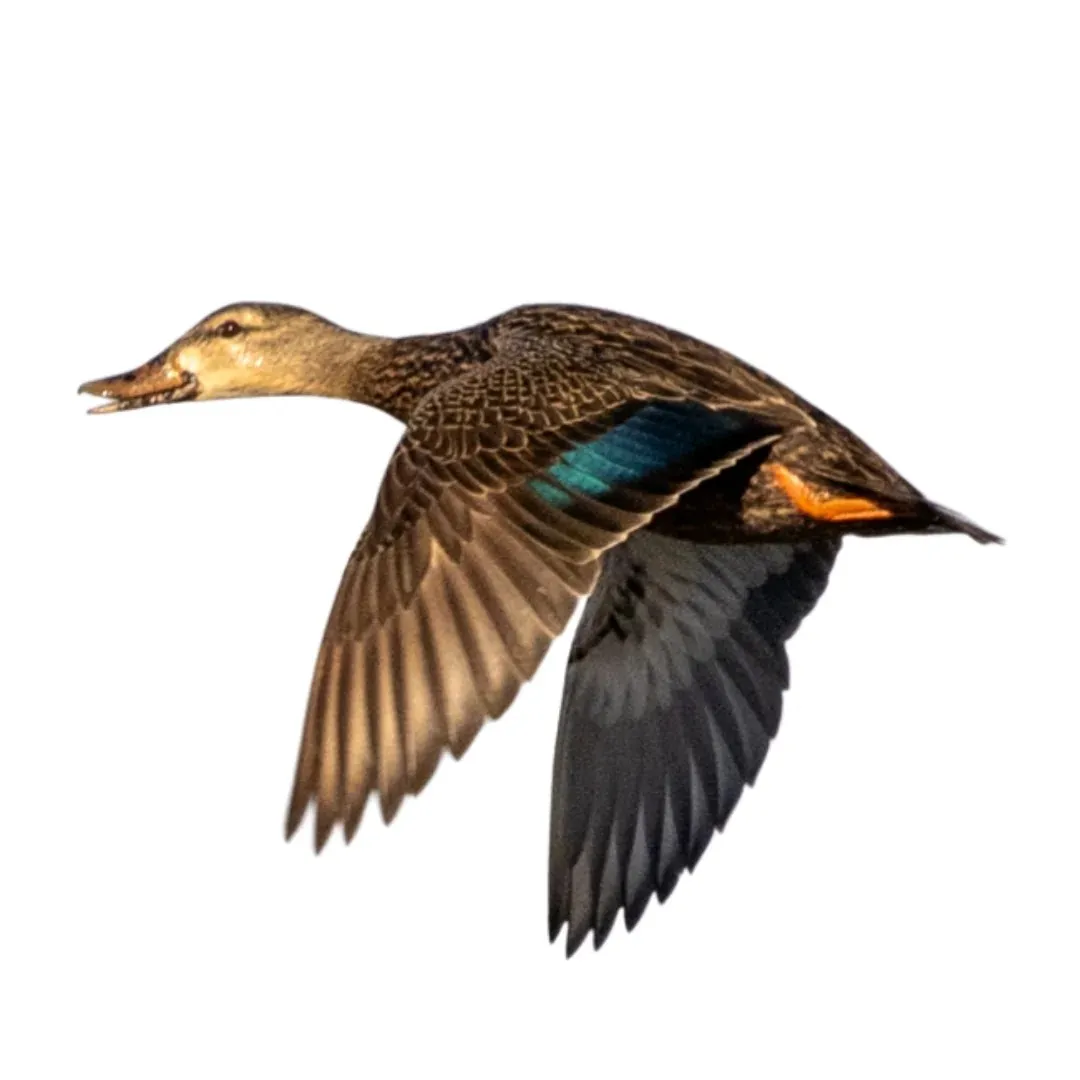
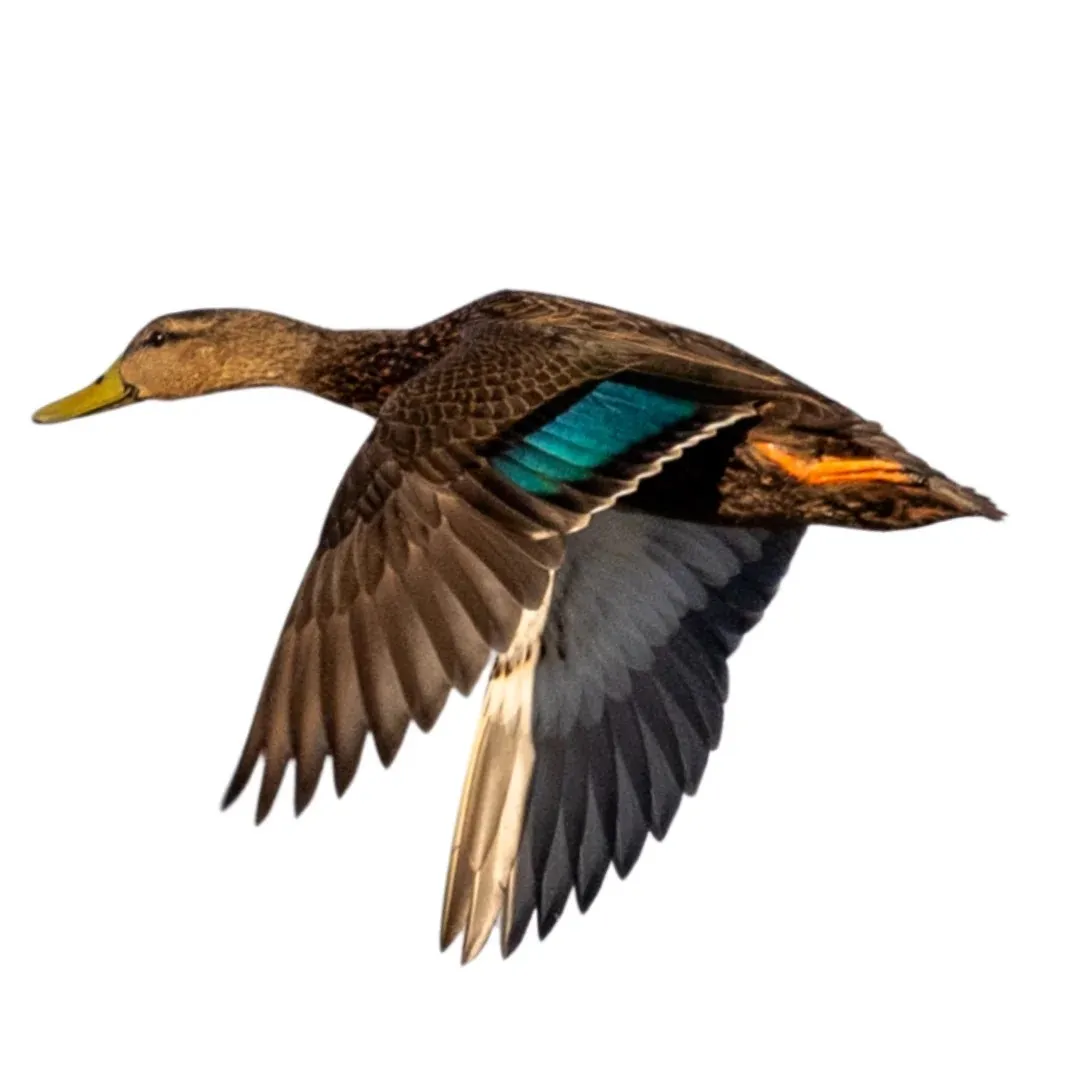
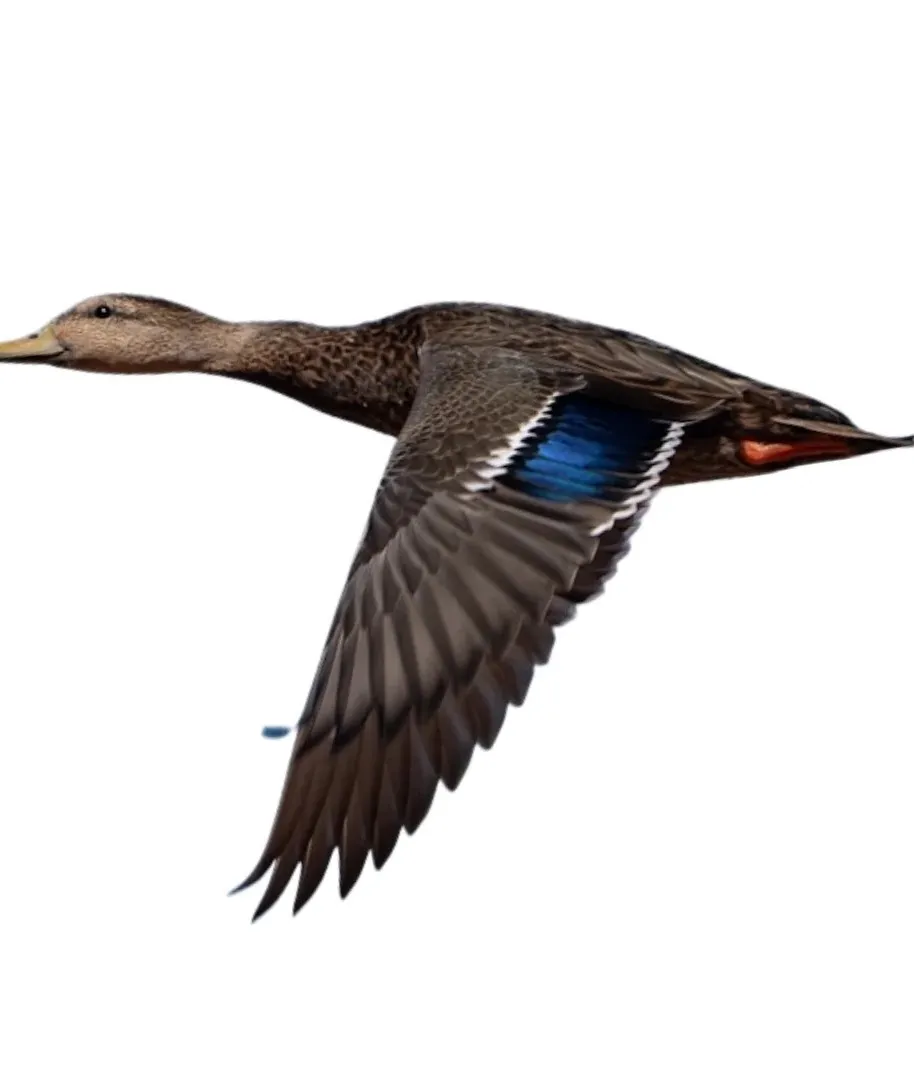
Mottled Ducks are stocky, mallard-sized dabbling ducks with a dark, low contrast appearance. They carry a rounded head, medium neck, and broad wings similar to a Mallard, but look noticeably darker overall. In flight, they show a blue to purple speculum without bold white borders, which is the key difference from Mallards. Their steady wingbeat and uniform brown body make them appear solid and dark when crossing a marsh.
Drake
Drakes look similar to hens but have a brighter yellow bill that stands out at close range. The body is heavily streaked brown with little contrast between chest and sides. In flight, the lack of white wing bars separates them from Mallard drakes and hens, especially when birds bank and expose the wing.
Hen
Hens are mottled brown with an orange bill marked by dark blotches. They show a faint pale eyebrow and darker eye line, but the face remains muted compared to a Mallard hen. When flying, focus on the darker overall tone and the absence of bright white wing patches that would indicate a Mallard.
Range
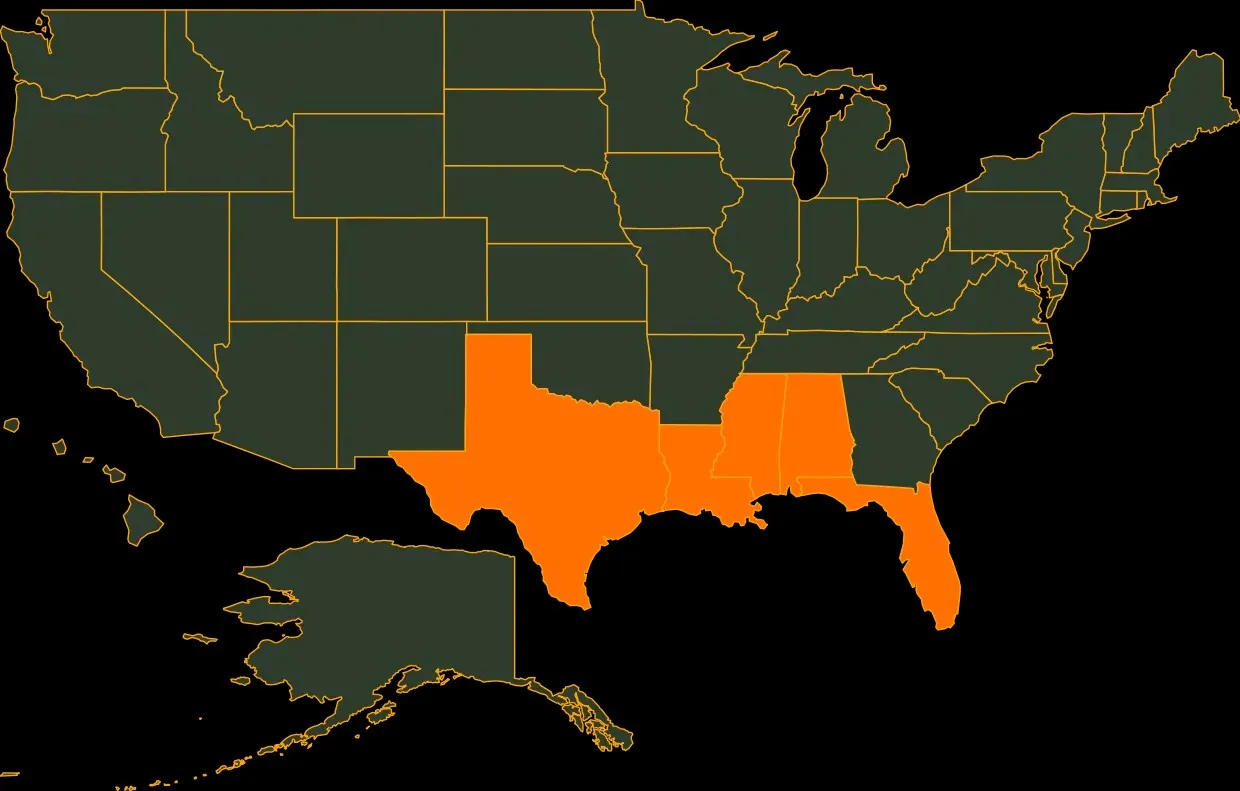
Year-Round
The Mottled Duck is largely non-migratory and occurs year-round along the Gulf Coast of the United States, primarily in Florida and coastal areas of Louisiana and Texas. Most birds remain within the same general region throughout the year, making it one of the few North American dabbling ducks without broad seasonal movements.
Breeding
Breeding occurs within its year-round range, concentrated in peninsular Florida and along the western Gulf Coast in coastal Texas and southwestern Louisiana. Nesting birds are tied to low-elevation coastal plains and adjacent inland wetlands within these regions.
Winter
The winter range closely mirrors the breeding and year-round distribution. Most Mottled Ducks remain in Florida and along the Gulf Coast from Texas to Louisiana, with only limited short-distance shifts toward coastal areas during colder periods.
Migration Timing
Mottled Ducks do not follow major continental flyways. Instead, they make localized movements in response to water levels, weather, and seasonal changes. Any dispersal typically occurs in late summer after breeding and again during periods of cold weather, but long-distance migration is uncommon.
Related Species
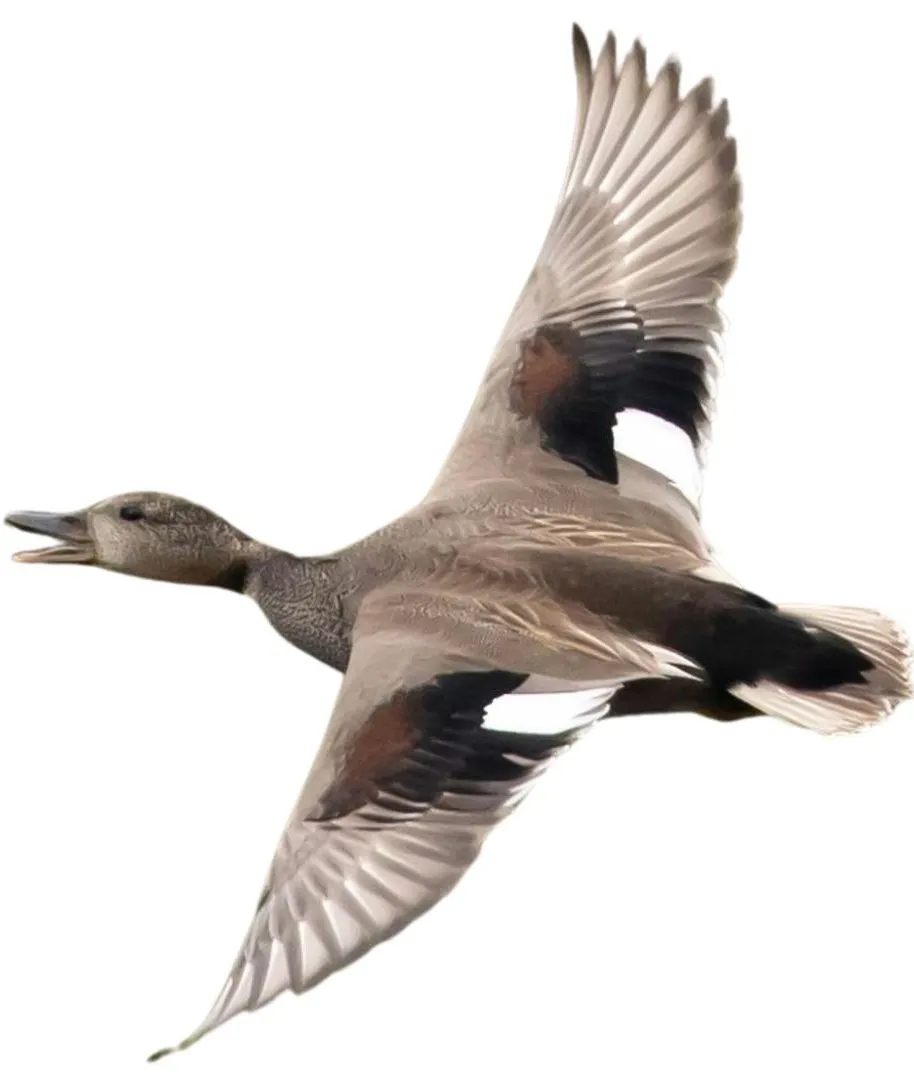
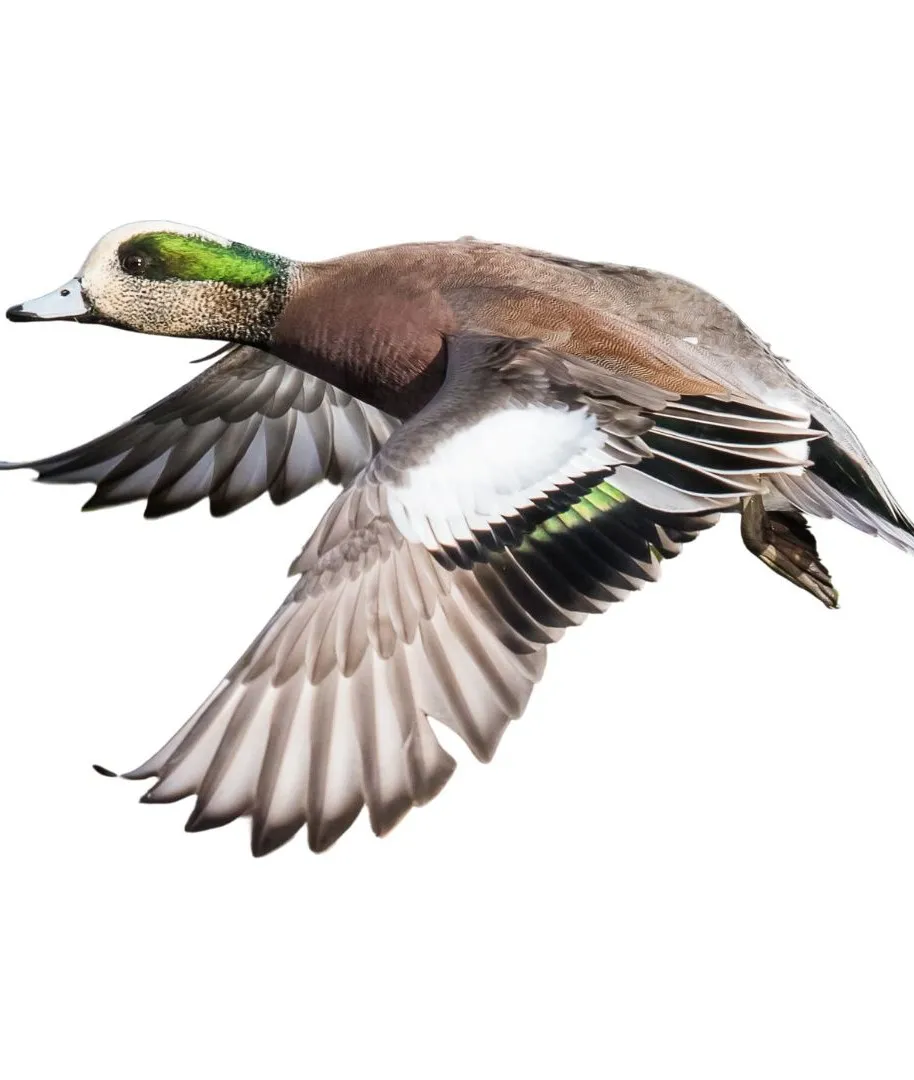
How to ID It
- Stocky, mallard-sized body with rounded head and medium-length neck
- Overall dark, heavily streaked brown body with little contrast
- Drake and hen look similar year-round with no strong plumage contrast
- Bill yellow in drake and orange with dark markings in hen
- Speculum is blue-purple without bold white borders in flight
- Lacks the bright white wing bars seen on Mallard in flight
- Face shows darker eye line and pale eyebrow but remains muted overall
- Separated from Mallard by darker body tone and absence of white wing patch
Key Facts
- Bill Color (Drake)
- Yellow
- Bill Color (Hen)
- Orange with dark blotches
- Primary Habitat
- Fresh and brackish marshes
- Breeding Habitat
- Coastal marshes, wetlands
- Winter Habitat
- Gulf Coast marshes
- Migration Pattern
- Mostly nonmigratory
- North America Status
- Localized and stable
Habitat
Primary Habitat. Mottled Ducks are closely tied to shallow freshwater and brackish wetlands along the Gulf Coast. They favor coastal marshes, freshwater marshes, wet prairies, shallow ponds, and flooded grasslands with abundant emergent vegetation. In Florida and coastal Texas, they commonly use estuaries, coastal lagoons, and shallow bays where fresh and salt water mix. They prefer low, open landscapes with steady water levels and nearby upland nesting cover.
Seasonal Habitat Differences. During the breeding season, Mottled Ducks concentrate in freshwater marshes, wet grasslands, and shallow ponds with dense vegetation for nesting. Outside the breeding season, they expand into brackish marshes, estuaries, and sheltered coastal bays. In periods of drought or cold weather, birds may shift locally to deeper ponds, reservoirs, or managed wetlands where water remains available.
Landscape Features to Look For. Look for broad coastal marsh systems, shallow water with emergent plants such as cattails and bulrush, and adjacent grassy uplands. In Florida, flat freshwater wetlands and coastal marsh complexes are key. Along the western Gulf Coast, expect them in brackish marshes, coastal prairies, and shallow backwaters near estuaries and river mouths.
Frequently Asked Questions
How do you identify a Mottled Duck?
A Mottled Duck is a medium-sized dabbling duck with an overall dark brown, heavily mottled body and a fairly plain face compared to a Mallard hen. In flight, it shows a blue-purple speculum without the strong white borders seen on Mallards. The bill is yellowish in drakes and orange-brown with dark markings in hens.
Where are Mottled Ducks found?
Mottled Ducks are found year-round along the Gulf Coast of the United States, primarily in Florida and coastal Texas and Louisiana. They are closely tied to low-elevation coastal regions and do not occur widely outside these areas. Unlike many ducks, they do not migrate across the continent.
Do Mottled Ducks migrate?
Mottled Ducks are largely non-migratory. Most birds remain within the same Gulf Coast region throughout the year. They may make short local movements in response to water levels, storms, or seasonal changes, but long-distance migration along major flyways is uncommon.
What habitat do Mottled Ducks prefer?
Mottled Ducks prefer shallow freshwater and brackish wetlands such as coastal marshes, wet prairies, ponds, estuaries, and coastal lagoons. They use areas with emergent vegetation and nearby grassy uplands for nesting. Along the Gulf Coast, they are often associated with marsh systems and shallow backwaters.
How can you tell a Mottled Duck from a Mallard?
Mottled Ducks lack the bright white wing borders that frame a Mallard’s blue speculum in flight. They also have a darker overall body and a less contrasting face pattern. Female Mallards typically show a stronger eye stripe and brighter orange bill, while Mottled Ducks appear more uniformly brown.
Are Mottled Duck populations stable?
Mottled Duck populations are generally stable within their limited Gulf Coast range, though numbers vary regionally. Because the species has a restricted distribution compared to many other ducks, changes in coastal wetland conditions can influence local populations. It remains a recognized native species in its core range.
In the Field
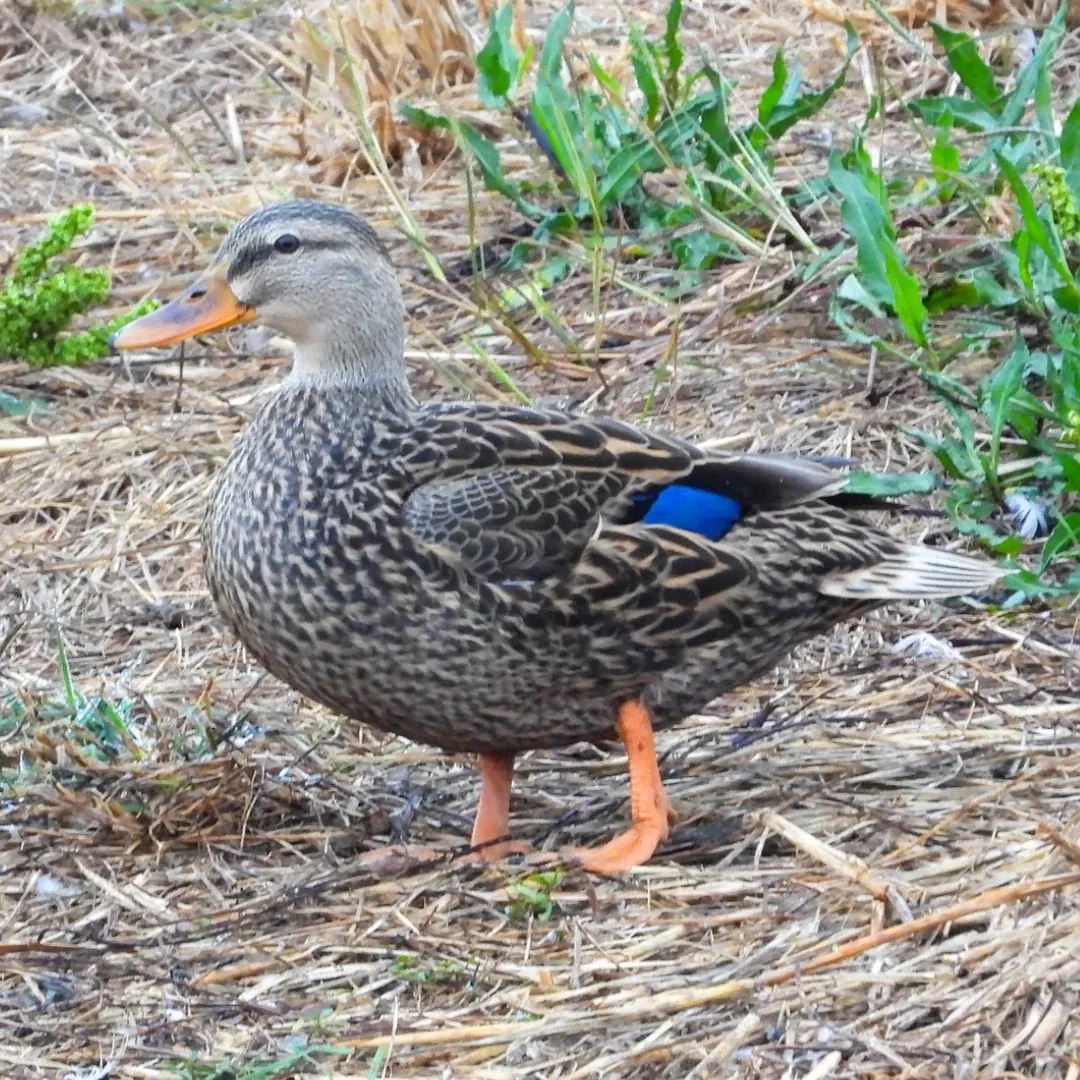
Photo: Vicki Miller 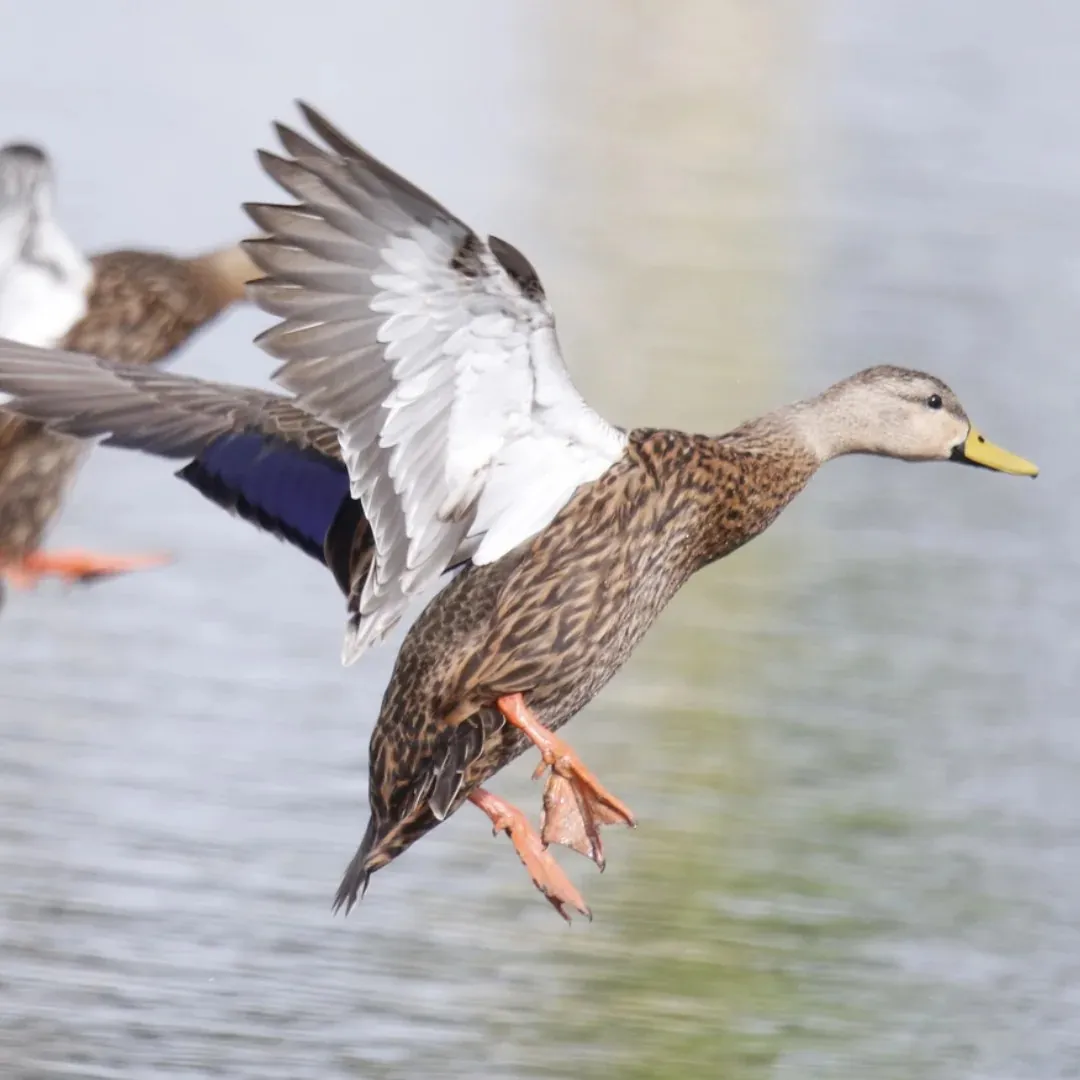
Photo: Court Harding 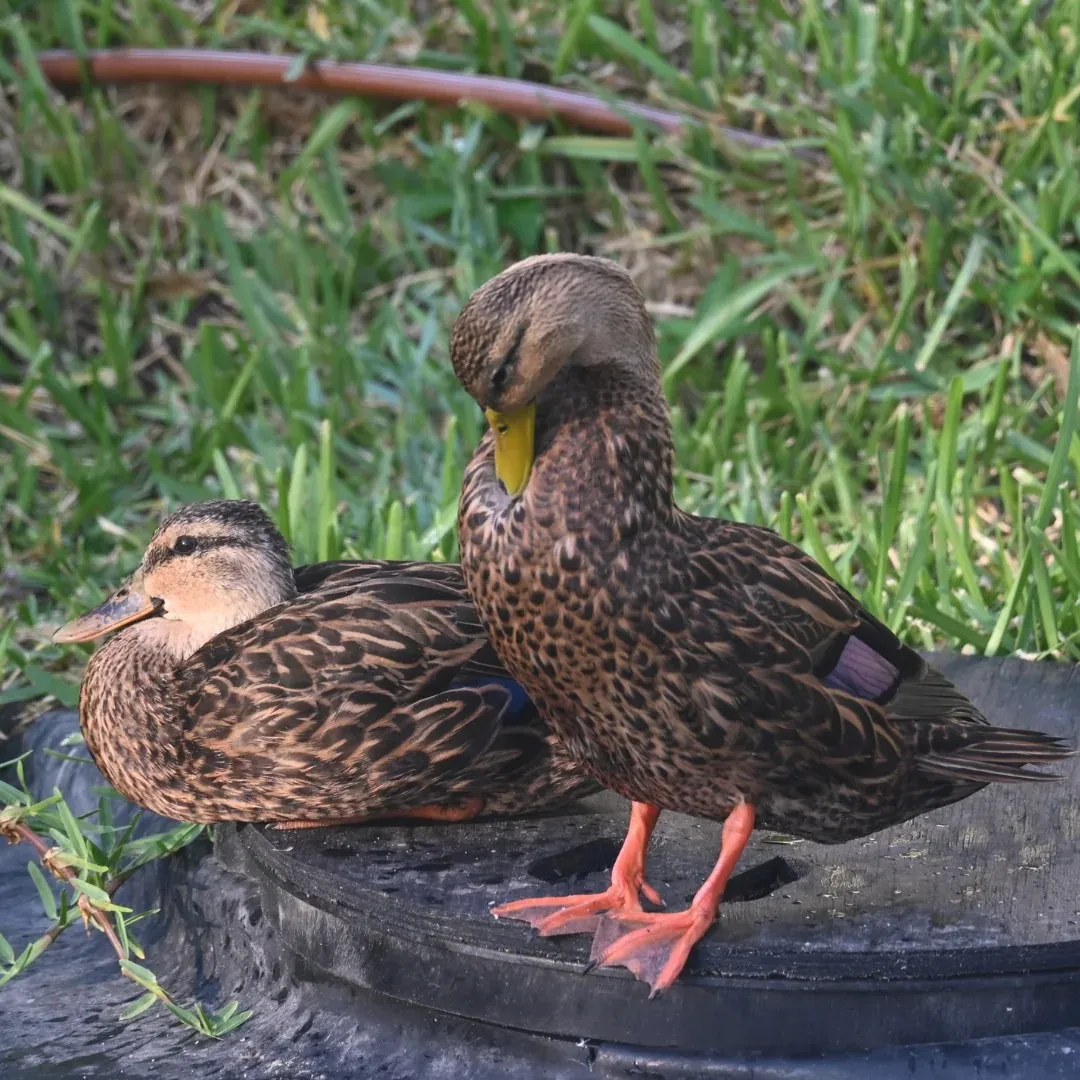
Photo: Z. Z.